And Sodium Hexametaphosphate
Auto-generated content. This description was generated automatically and is pending editorial review. Inaccuracies are possible. Found a mistake? Contact us.
What it is
Sodium hexametaphosphate is a synthetic salt made from phosphoric acid, a chemical that occurs naturally in many foods. It is created by heating sodium metaphosphate, which is then cooled and quenched to form the glassy, irregular shards characteristic of this compound. It is often used as a food additive.
Why it's used
Manufacturers add sodium hexametaphosphate to foods to help prevent separation, improve texture, and maintain color. It acts as an emulsifier, keeping oil and water mixed, and as a sequestrant, binding metal ions that can cause spoilage. It is found in products like processed cheeses, syrups, and beverages.
Health notes
In the U.S., sodium hexametaphosphate is generally recognized as safe (GRAS) by the FDA when used as a food additive. International bodies like JECFA have evaluated it. While generally considered safe at typical consumption levels, some studies have explored its effects on mineral absorption, though evidence is mixed and not conclusive. No specific upper intake limits have been established by major regulatory bodies.
Allergen info
Sodium hexametaphosphate is not derived from any of the nine major allergens recognized by the FDA. It does not contain gluten.
Products containing And Sodium Hexametaphosphate
Compare products →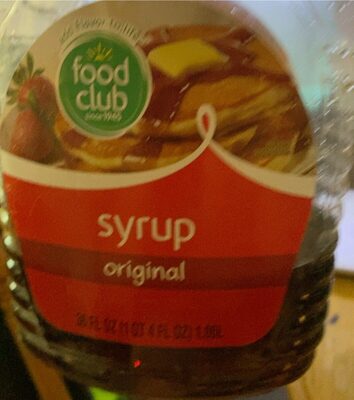 Topco Associates, Inc.
Original Syrup, Original
350kcal
0Protein
0Fat
88.3Carbs
Signature Springs, LLC
Spring Tea, Natural Spring Water, Green Tea Honey, Green Tea Honey
38kcal
0Protein
0Fat
9.3Carbs
Finlay Extracts & Ingredients USA, Inc.
Roundy's, Original Syrup
350kcal
0Protein
0Fat
88.3Carbs
Finlay Extracts & Ingredients USA, Inc.
Roundy's, Original Syrup
350kcal
0Protein
0Fat
88.3Carbs
Dr. Pepper/Seven Up, Inc.
Sunkist, Iced Tea, Lemon, Lemon
34kcal
0Protein
0Fat
8.7Carbs
Topco Associates, Inc.
Original Syrup, Original
350kcal
0Protein
0Fat
88.3Carbs
Signature Springs, LLC
Spring Tea, Natural Spring Water, Green Tea Honey, Green Tea Honey
38kcal
0Protein
0Fat
9.3Carbs
Finlay Extracts & Ingredients USA, Inc.
Roundy's, Original Syrup
350kcal
0Protein
0Fat
88.3Carbs
Finlay Extracts & Ingredients USA, Inc.
Roundy's, Original Syrup
350kcal
0Protein
0Fat
88.3Carbs
Dr. Pepper/Seven Up, Inc.
Sunkist, Iced Tea, Lemon, Lemon
34kcal
0Protein
0Fat
8.7Carbs
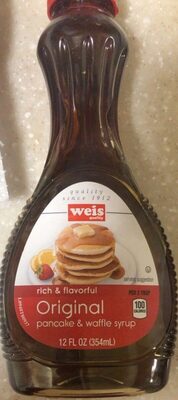 Weis Markets, Inc.
Original Pancake & Waffle Syrup, Original
350kcal
0Protein
0Fat
88.3Carbs
Weis Markets, Inc.
Original Pancake & Waffle Syrup, Original
350kcal
0Protein
0Fat
88.3Carbs
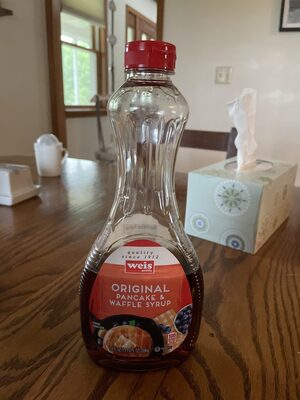 Weis Markets, Inc.
Original Pancake & Waffle Syrup, Original
350kcal
0Protein
0Fat
88.3Carbs
Winn-Dixie Stores, Inc.
Butter Flavor Syrup, Syrup
333kcal
0Protein
0Fat
83.3Carbs
Lowe's Food Stores, Inc.
Original Syrup
350kcal
0Protein
0Fat
88.3Carbs
Lowe's Food Stores, Inc.
Lowes Foods, Original Syrup
350kcal
0Protein
0Fat
88.3Carbs
Weis Markets, Inc.
Original Pancake & Waffle Syrup, Original
350kcal
0Protein
0Fat
88.3Carbs
Winn-Dixie Stores, Inc.
Butter Flavor Syrup, Syrup
333kcal
0Protein
0Fat
83.3Carbs
Lowe's Food Stores, Inc.
Original Syrup
350kcal
0Protein
0Fat
88.3Carbs
Lowe's Food Stores, Inc.
Lowes Foods, Original Syrup
350kcal
0Protein
0Fat
88.3Carbs