And Vinegar
Auto-generated content. This description was generated automatically and is pending editorial review. Inaccuracies are possible. Found a mistake? Contact us.
What it is
Vinegar is a sour liquid made by fermenting ethanol (alcohol) in liquids like wine, cider, or grain mash. The alcohol is first converted to acetic acid by bacteria, then further fermented into vinegar. It has been used for thousands of years as a food ingredient and preservative.
Why it's used
Vinegar is primarily used as a flavor enhancer, adding a sharp, acidic taste to foods. It's also used as a preservative, inhibiting the growth of bacteria. You'll find it in salad dressings, marinades, pickles, sauces, and snack foods like chips and pretzels.
Health notes
Vinegar is generally recognized as safe (GRAS) by the FDA for use in food. While some studies suggest potential benefits like improved blood sugar control when consumed in moderation with meals, evidence is mixed and more research is needed. The Joint FAO/WHO Expert Committee on Food Additives (JECFA) has evaluated vinegar, but did not set a numeric acceptable daily intake (ADI). High concentrations of undiluted vinegar can be harmful.
Allergen info
Vinegar is not derived from any of the 9 FDA major allergens and does not contain gluten.
Products containing And Vinegar
Compare products →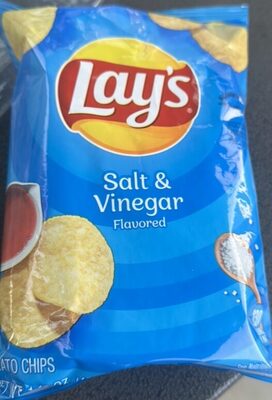 Pepsico Inc.
Lay's Salt And Vinegar Potato Chips 1.50 Ounce Plastic Bag
541kcal
4.7Protein
35.3Fat
54.1Carbs
Pepsico Inc.
Lay's Salt And Vinegar Potato Chips 1.50 Ounce Plastic Bag
541kcal
4.7Protein
35.3Fat
54.1Carbs
 Pepsico Inc.
Lay's Salt and Vinegar Potato Chips 1.125 Ounces
566kcal
6.3Protein
34.6Fat
53.5Carbs
Frito-Lay Company
Potato Chips, Salt & Vinegar
571kcal
7.1Protein
35.7Fat
53.6Carbs
Frito-Lay Company
Salt & Vinegar Flavored Potato Chips, Salt & Vinegar
536kcal
7.1Protein
35.7Fat
53.6Carbs
Frito-Lay Company
Salt & Vinegar Flavored Potato Chips, Salt & Vinegar
536kcal
7.1Protein
35.7Fat
53.6Carbs
Frito-Lay Company
Salt & Vinegar Potato Chips, Salt & Vinegar
536kcal
7.1Protein
35.7Fat
53.6Carbs
Frito-Lay Company
Salt & Vinegar Flavored Potato Chips, Salt & Vinegar
536kcal
7.1Protein
35.7Fat
53.6Carbs
Pepsico Inc.
Lay's Salt and Vinegar Potato Chips 1.125 Ounces
566kcal
6.3Protein
34.6Fat
53.5Carbs
Frito-Lay Company
Potato Chips, Salt & Vinegar
571kcal
7.1Protein
35.7Fat
53.6Carbs
Frito-Lay Company
Salt & Vinegar Flavored Potato Chips, Salt & Vinegar
536kcal
7.1Protein
35.7Fat
53.6Carbs
Frito-Lay Company
Salt & Vinegar Flavored Potato Chips, Salt & Vinegar
536kcal
7.1Protein
35.7Fat
53.6Carbs
Frito-Lay Company
Salt & Vinegar Potato Chips, Salt & Vinegar
536kcal
7.1Protein
35.7Fat
53.6Carbs
Frito-Lay Company
Salt & Vinegar Flavored Potato Chips, Salt & Vinegar
536kcal
7.1Protein
35.7Fat
53.6Carbs
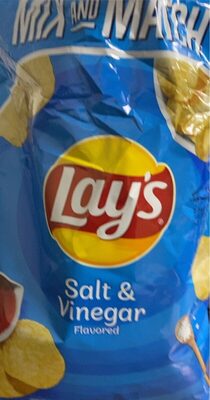 Frito-Lay Company
Salt & Vinegar Flavored Potato Chips, Salt & Vinegar
536kcal
7.1Protein
35.7Fat
53.6Carbs
Frito-Lay Company
Salt & Vinegar Flavored Potato Chips, Salt & Vinegar
536kcal
7.1Protein
35.7Fat
53.6Carbs