Anise Seed
What is Anise Seed?
Anise seed comes from the dried fruit of the Pimpinella anisum plant, native to the Mediterranean region and Southwest Asia. The seeds have a distinct licorice-like flavor and aroma, often used whole or ground in cooking and baking.
Is Anise Seed vegan?
Anise Seed is not animal-derived. Products that contain it can still include other animal-derived ingredients, so check the full ingredient list.
Is Anise Seed gluten-free?
It does not contain gluten.
Is Anise Seed a major allergen?
Anise seed is not one of the nine major allergens designated by the FDA.
What is Anise Seed used for?
Anise seed is primarily used as a flavoring agent in a wide variety of foods.
Is Anise Seed safe?
Anise seed is generally recognized as safe (GRAS) by the FDA for use as a food flavoring.
Why it's used
Anise seed is primarily used as a flavoring agent in a wide variety of foods. Its sweet, aromatic profile makes it popular in baked goods like cookies and breads, as well as in savory dishes, liqueurs, and teas.
Health notes
Anise seed is generally recognized as safe (GRAS) by the FDA for use as a food flavoring. It is a common ingredient in many foods consumed daily. Regulatory bodies like JECFA and EFSA have evaluated anise and its extracts. Evidence does not suggest adverse health effects from typical dietary consumption.
Allergen info
Anise seed is not one of the nine major allergens designated by the FDA. It does not contain gluten.
Foods that contain Anise Seed
Compare products →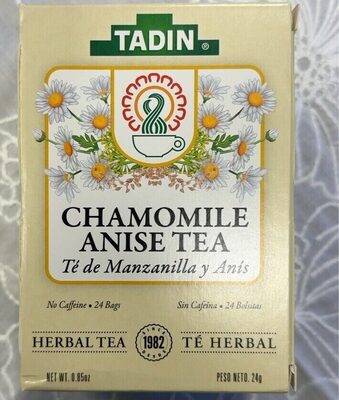
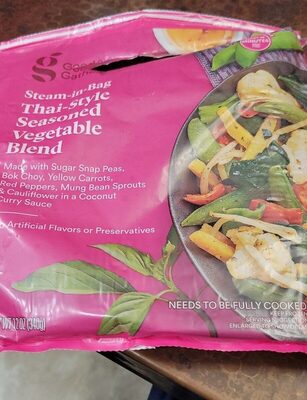

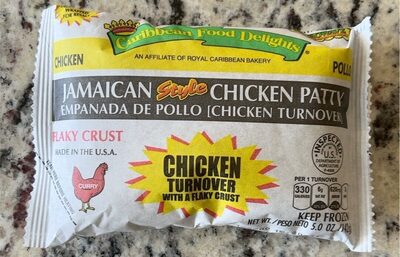

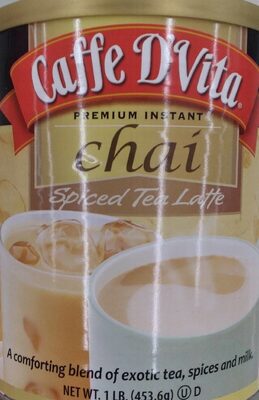

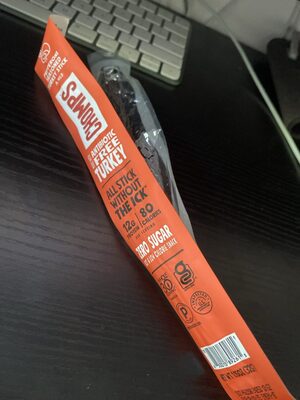
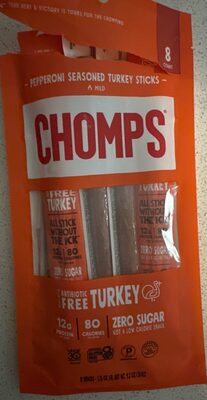 Chomps
Pepperoni Seasoned Turkey Sticks, Pepperoni Seasoned Turkey
188kcal
31.2Protein
7.8Fat
0Carbs


Learn more
Auto-generated content. This description was generated automatically and is pending editorial review. Inaccuracies are possible. Found a mistake? Contact us.