Aniseed
What is Aniseed?
Aniseed comes from the dried seed of the Pimpinella anisum plant, a flowering herb native to the Mediterranean region and Southwest Asia. The seeds have a distinctive licorice-like flavor and aroma, often used whole or ground in cooking and baking.
Is Aniseed vegan?
Aniseed is not animal-derived. Products that contain it can still include other animal-derived ingredients, so check the full ingredient list.
Is Aniseed gluten-free?
It does not contain gluten.
Is Aniseed a major allergen?
Aniseed is not one of the nine FDA major allergens.
What is Aniseed used for?
Aniseed is primarily used as a flavoring agent in a wide variety of foods, imparting its characteristic sweet, licorice taste.
Is Aniseed safe?
Aniseed is generally recognized as safe (GRAS) by the FDA for use as a flavoring.
Why it's used
Aniseed is primarily used as a flavoring agent in a wide variety of foods, imparting its characteristic sweet, licorice taste. It is commonly found in baked goods like breads and cookies, candies, liqueurs, and savory dishes, especially in Mediterranean and Middle Eastern cuisines.
Health notes
Aniseed is generally recognized as safe (GRAS) by the FDA for use as a flavoring. It is not typically consumed in amounts large enough to cause adverse effects. International bodies like JECFA and EFSA have evaluated anise, and their evaluations are publicly available. Some research has explored potential health benefits, but more studies are needed to confirm these effects.
Allergen info
Aniseed is not one of the nine FDA major allergens. It does not contain gluten.
Foods that contain Aniseed
Compare products →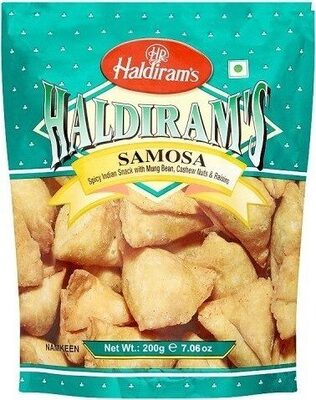
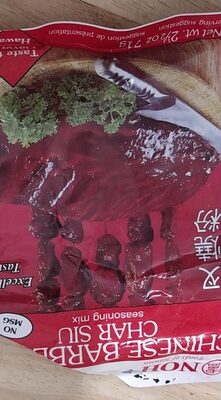

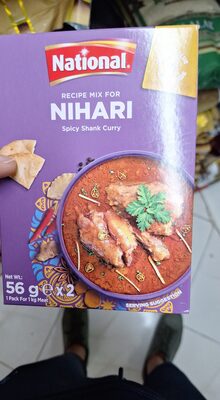

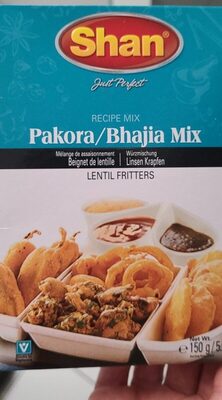
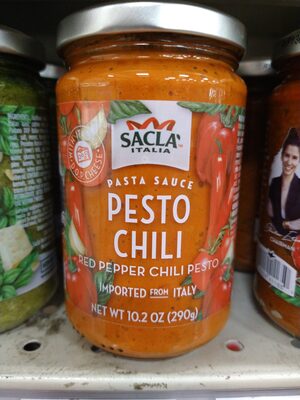
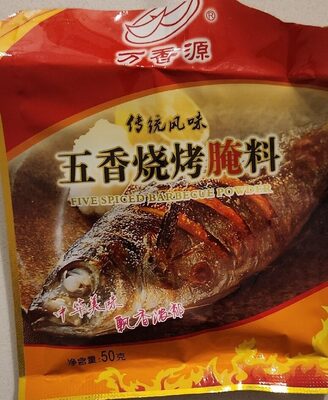
Learn more
Auto-generated content. This description was generated automatically and is pending editorial review. Inaccuracies are possible. Found a mistake? Contact us.