Annatto And Turmeric Colors
What is Annatto And Turmeric Colors?
Annatto and turmeric colors are natural food colorings derived from plants. Annatto comes from the seeds of the achiote tree, and turmeric comes from the root of the turmeric plant. Both are processed to extract their vibrant yellow to orange pigments.
Is Annatto And Turmeric Colors vegan?
Annatto And Turmeric Colors is not animal-derived. Products that contain it can still include other animal-derived ingredients, so check the full ingredient list.
Is Annatto And Turmeric Colors gluten-free?
They are also gluten-free.
Is Annatto And Turmeric Colors a major allergen?
Annatto and turmeric are not among the nine major food allergens.
What is Annatto And Turmeric Colors used for?
These natural colorants are used to add or restore color to foods, making them more visually appealing.
Is Annatto And Turmeric Colors safe?
Annatto and turmeric are generally recognized as safe (GRAS) by the FDA for use as food colorings.
Why it's used
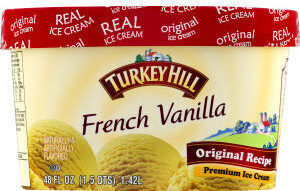
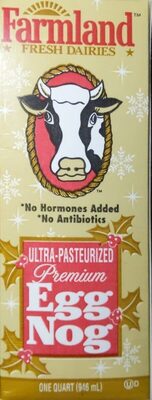
These natural colorants are used to add or restore color to foods, making them more visually appealing. They are commonly found in dairy products like cheese and ice cream, processed meats, baked goods, and snack foods.
Health notes
Annatto and turmeric are generally recognized as safe (GRAS) by the FDA for use as food colorings. International bodies like JECFA have evaluated them. At typical consumption levels, they are not associated with adverse health effects. Some individuals may have sensitivities, but widespread concerns are not supported by current scientific consensus.
Allergen info
Annatto and turmeric are not among the nine major food allergens. They are also gluten-free.
Foods that contain Annatto And Turmeric Colors
Compare products →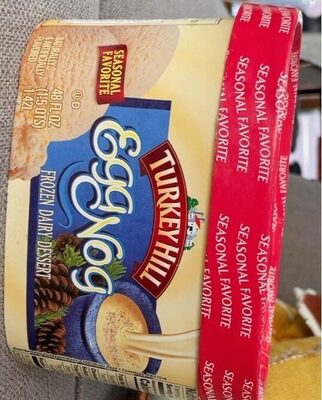
Learn more
Auto-generated content. This description was generated automatically and is pending editorial review. Inaccuracies are possible. Found a mistake? Contact us.