Anti-caking
What is Anti-caking?
Anti-caking agents are substances added to powdered or granulated foods to prevent clumping. They work by coating particles and absorbing moisture. Many are naturally occurring minerals, while others are synthesized.
Is Anti-caking a major allergen?
Most anti-caking agents are not derived from major allergens.
What is Anti-caking used for?
Manufacturers add anti-caking agents to keep powdered products like salt, spices, and baking mixes free-flowing.
Is Anti-caking safe?
Many anti-caking agents are recognized as safe by the FDA.
Why it's used
Manufacturers add anti-caking agents to keep powdered products like salt, spices, and baking mixes free-flowing. They ensure uniform texture and prevent the product from hardening. They are commonly found in seasoning mixes, salts, marinades, and some snack foods.
Health notes
Many anti-caking agents are recognized as safe by the FDA. For example, silicon dioxide and calcium silicate are Generally Recognized As Safe (GRAS). International bodies like JECFA and EFSA have evaluated many anti-caking agents. At typical consumption levels, they are not associated with adverse health effects. Evidence does not suggest significant health concerns for most people.
Allergen info
Most anti-caking agents are not derived from major allergens. Some, like calcium silicate, are mineral-based. Others, like magnesium carbonate, are synthesized. Not a major allergen.
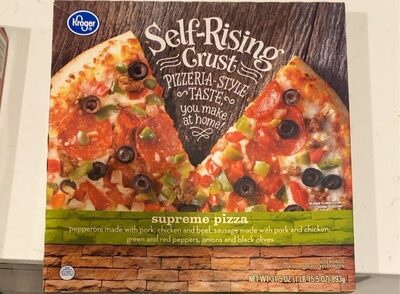
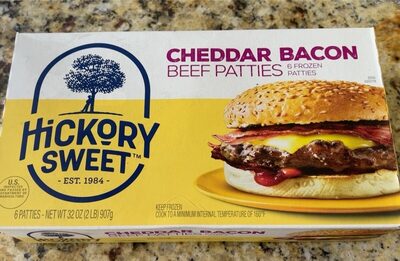
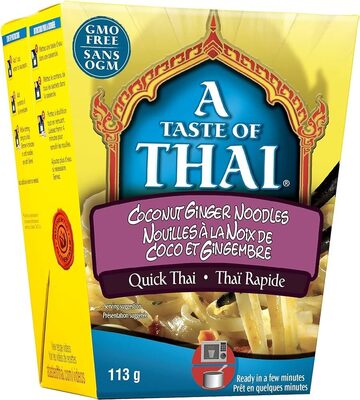
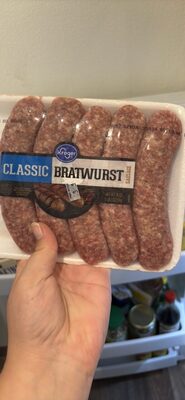
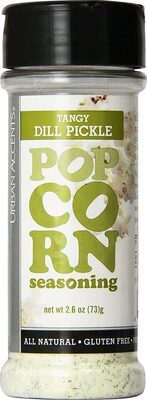
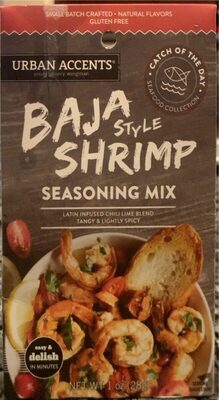
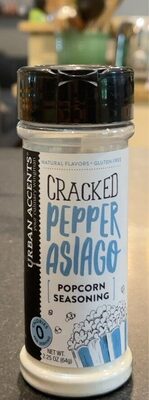
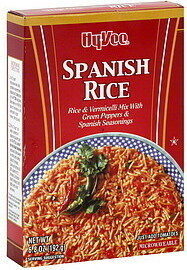
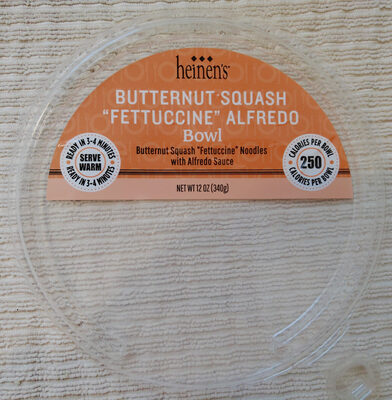
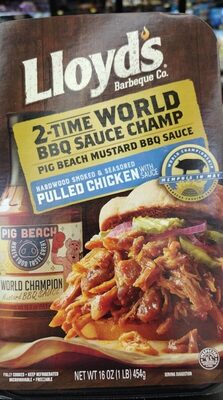
Foods that contain Anti-caking
Compare products →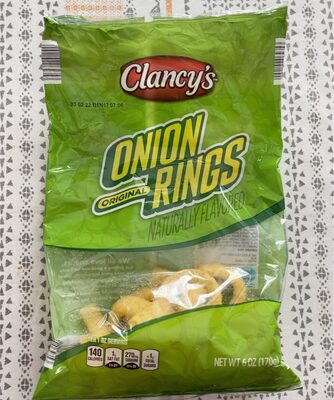
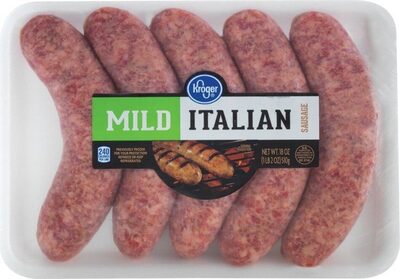
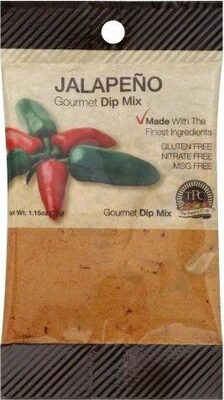
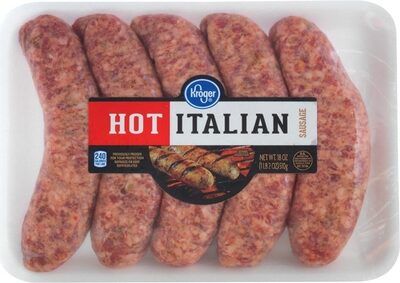

Auto-generated content. This description was generated automatically and is pending editorial review. Inaccuracies are possible. Found a mistake? Contact us.