Anticake
What is Anticake?
Anticaking agents are substances added to powdered or granulated foods to prevent clumping. They work by absorbing moisture or coating particles to keep them separate. Common anticaking agents include silicon dioxide, calcium silicate, and magnesium carbonate.
Is Anticake vegan?
Anticake is not animal-derived. Products that contain it can still include other animal-derived ingredients, so check the full ingredient list.
Is Anticake gluten-free?
They do not contain gluten.
Is Anticake a major allergen?
Anticaking agents are not derived from the major allergens.
What is Anticake used for?
Manufacturers add anticaking agents to powdered foods like salt, sugar, and spices to ensure they flow freely and are easy to measure.
Is Anticake safe?
In the U.S., many anticaking agents are Generally Recognized As Safe (GRAS) by the FDA.
Why it's used
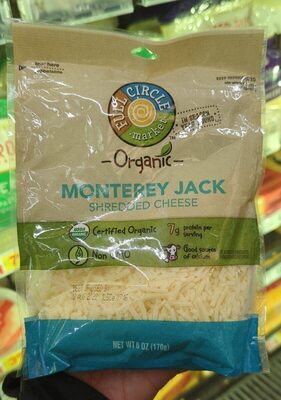
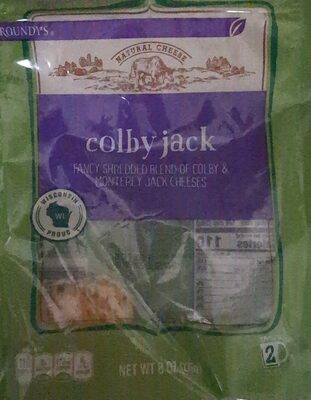
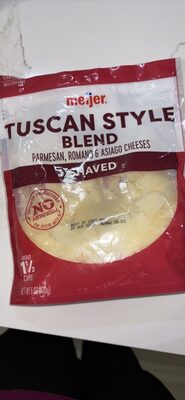
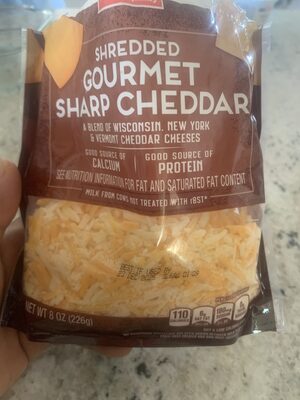
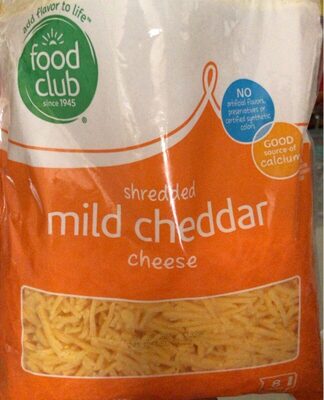
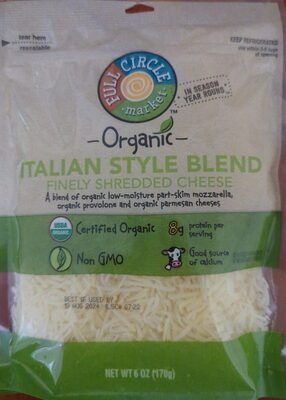
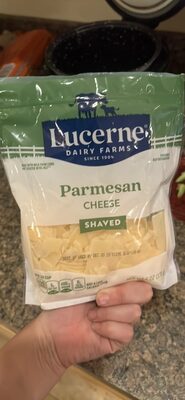
Manufacturers add anticaking agents to powdered foods like salt, sugar, and spices to ensure they flow freely and are easy to measure. They are also used in grated cheeses, drink mixes, and baking powders. These agents help maintain product texture and prevent caking during storage.
Health notes
In the U.S., many anticaking agents are Generally Recognized As Safe (GRAS) by the FDA. International bodies like JECFA and EFSA have evaluated various anticaking agents. At typical consumption levels, they are not associated with adverse health effects. Some studies have explored their effects on nutrient absorption, but evidence is mixed and not conclusive for typical dietary intake.
Allergen info
Anticaking agents are not derived from the major allergens. They do not contain gluten.
Foods that contain Anticake
Compare products →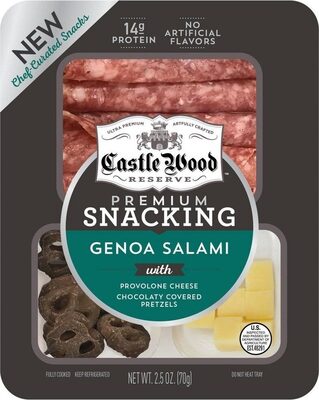
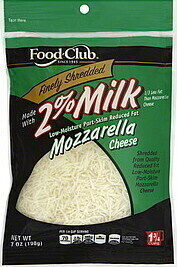
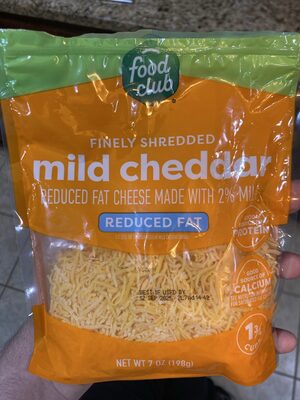
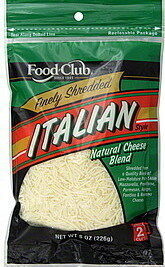
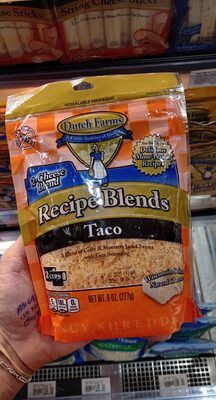
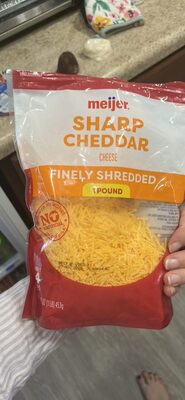
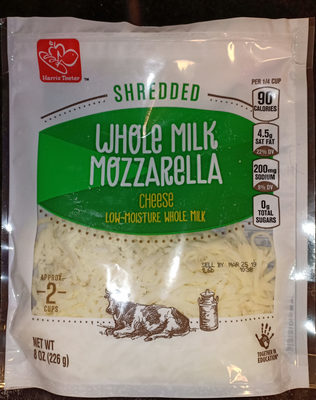
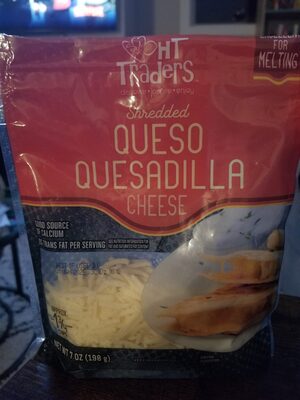
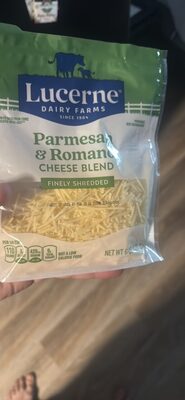
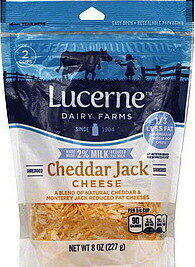
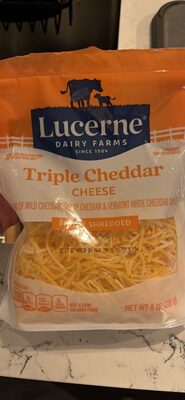
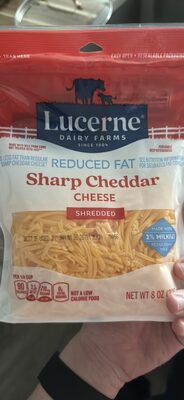
Auto-generated content. This description was generated automatically and is pending editorial review. Inaccuracies are possible. Found a mistake? Contact us.