Cultured Pasteurized Milk
What is Cultured Pasteurized Milk?
Cultured pasteurized milk is milk that has been heated to a specific temperature to kill harmful bacteria (pasteurization) and then had live bacterial cultures added to it. These beneficial bacteria ferment the milk, which changes its flavor, texture, and acidity.
Is Cultured Pasteurized Milk vegan?
No. Cultured Pasteurized Milk is animal-derived, so it is not vegan.
Is Cultured Pasteurized Milk a major allergen?
Milk is one of the nine major food allergens identified by the FDA.
What is Cultured Pasteurized Milk used for?
Manufacturers use cultured pasteurized milk primarily to create a variety of dairy products with distinct flavors and textures, such as cheese, yogurt, and sour cream.
Is Cultured Pasteurized Milk safe?
Cultured pasteurized milk is a common food ingredient and is generally recognized as safe for consumption.
Why it's used
Manufacturers use cultured pasteurized milk primarily to create a variety of dairy products with distinct flavors and textures, such as cheese, yogurt, and sour cream. The fermentation process also contributes to preservation and can enhance certain nutritional aspects.
Health notes
Cultured pasteurized milk is a common food ingredient and is generally recognized as safe for consumption. The FDA regulates milk and dairy products as foods. There are no specific health controversies associated with cultured pasteurized milk itself, beyond general dietary considerations for dairy.
Allergen info
Milk is one of the nine major food allergens identified by the FDA.
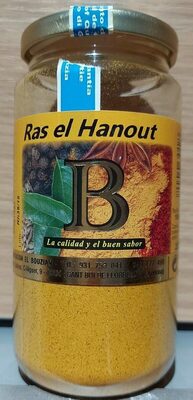
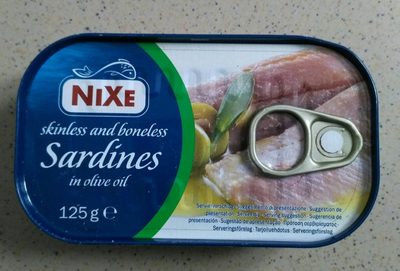
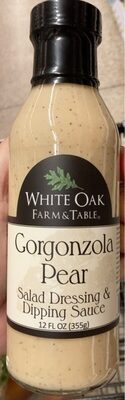
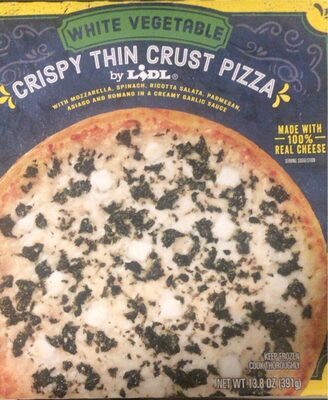
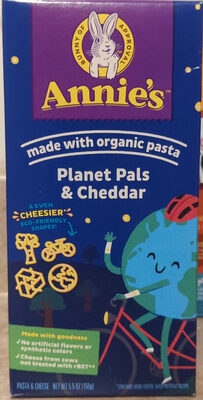
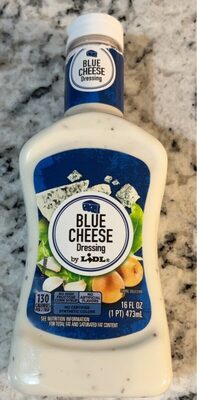
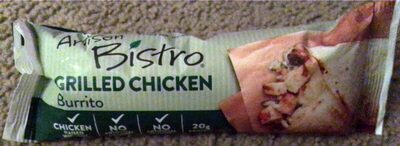
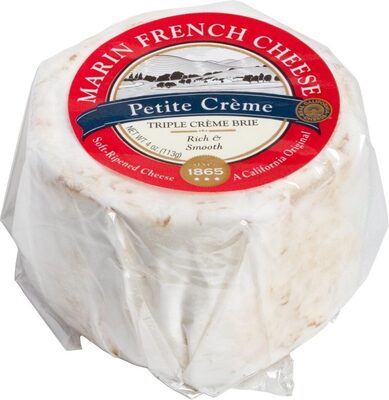
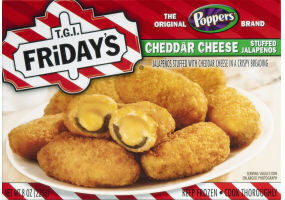
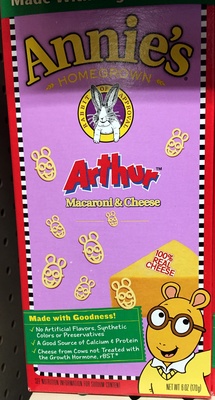
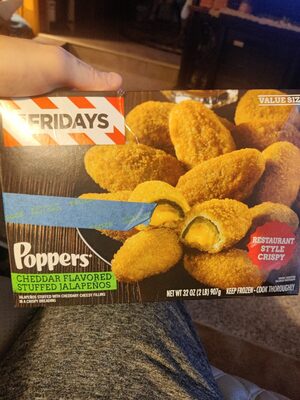
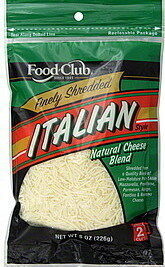
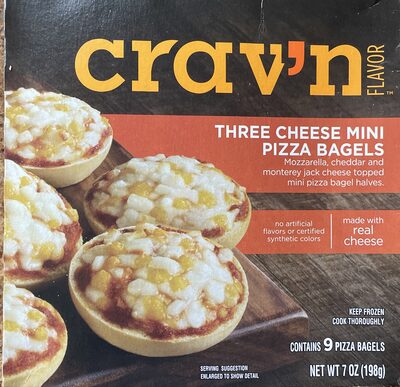
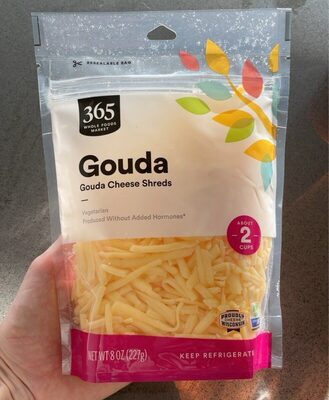
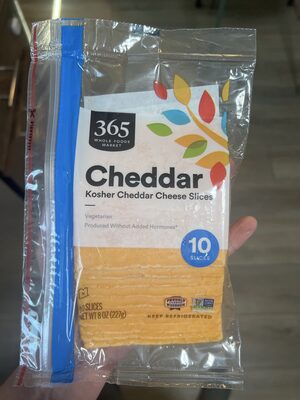
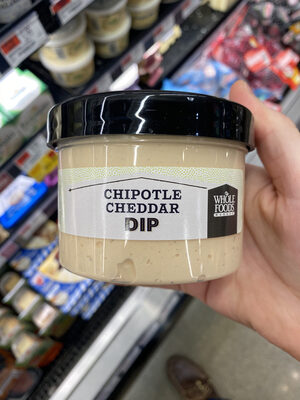
Foods that contain Cultured Pasteurized Milk
Compare products →


Learn more
Auto-generated content. This description was generated automatically and is pending editorial review. Inaccuracies are possible. Found a mistake? Contact us.