Natural Mold Inhibitor
Auto-generated content. This description was generated automatically and is pending editorial review. Inaccuracies are possible. Found a mistake? Contact us.
What it is
Natural Mold Inhibitor is a term used for ingredients derived from natural sources that prevent the growth of mold in food. These can include certain organic acids or their salts, or extracts from plants known for their antimicrobial properties. Specific ingredients can vary, but they function by creating an environment less favorable for mold to grow.
Why it's used
Manufacturers add Natural Mold Inhibitors to extend the shelf life of foods susceptible to mold, such as cheeses, baked goods, and deli salads. By inhibiting mold growth, these ingredients help maintain the food's quality and safety over time. They are used to ensure products remain appealing and edible for longer periods.
Health notes
Many natural mold inhibitors are recognized as safe by the FDA when used as intended. For example, sorbic acid and its salts are generally recognized as safe (GRAS) and are widely used. International bodies like JECFA have evaluated many such compounds. While generally considered safe at typical consumption levels, some individuals may have sensitivities. Evidence regarding long-term effects at very high intakes is limited, but no significant health concerns have been widely established for these compounds at levels found in food.
Allergen info
Depending on the specific ingredient used as a natural mold inhibitor, it may or may not be derived from major allergens. For example, some inhibitors are derived from plant sources that are not major allergens. It is important to check the ingredient list for specific derivatives if allergen concerns exist. Not a major allergen unless specified by the source.
Products containing Natural Mold Inhibitor
Compare products →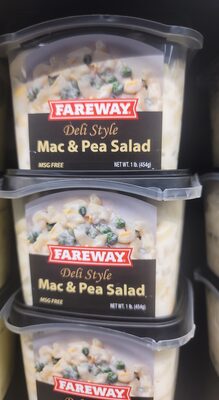 FAREWAY
Mac-Pea Salad
137kcal
3Protein
6.8Fat
16Carbs
SCHNUCKS
Shredded Taco Cheese Blend
High in saturated fat — 25% DV per serving
393kcal
21.4Protein
32.1Fat
7.1Carbs
SCHNUCKS
Shredded Colby Jack Cheese
High in saturated fat — 25% DV per serving
393kcal
25Protein
32.1Fat
3.6Carbs
SCHNUCKS
Shredded Monterey Jack Cheese
High in saturated fat — 25% DV per serving
393kcal
25Protein
32.1Fat
3.6Carbs
SCHNUCKS
Shredded 4 Cheese Pizza Blend
High in saturated fat — 20% DV per serving
321kcal
25Protein
21.4Fat
3.6Carbs
SCHNUCKS
Shredded Sharp Cheddar Cheese
High in saturated fat — 25% DV per serving
393kcal
25Protein
32.1Fat
3.6Carbs
SCHNUCKS
Shredded Sharp Cheddar Cheese
High in saturated fat — 25% DV per serving
393kcal
25Protein
32.1Fat
3.6Carbs
SCHNUCKS
Shredded Cheddar Jack Cheese
High in saturated fat — 25% DV per serving
393kcal
25Protein
32.1Fat
3.6Carbs
SCHNUCKS
Shredded 4 Cheese Mexican Blend
High in saturated fat — 25% DV per serving
393kcal
21.4Protein
32.1Fat
3.6Carbs
SCHNUCKS
Shredded Cheddar Cheese
High in saturated fat — 25% DV per serving
393kcal
25Protein
32.1Fat
3.6Carbs
SCHNUCKS
Shredded Colby Jack Cheese
High in saturated fat — 25% DV per serving
393kcal
25Protein
32.1Fat
3.6Carbs
FAREWAY
Mac-Pea Salad
137kcal
3Protein
6.8Fat
16Carbs
SCHNUCKS
Shredded Taco Cheese Blend
High in saturated fat — 25% DV per serving
393kcal
21.4Protein
32.1Fat
7.1Carbs
SCHNUCKS
Shredded Colby Jack Cheese
High in saturated fat — 25% DV per serving
393kcal
25Protein
32.1Fat
3.6Carbs
SCHNUCKS
Shredded Monterey Jack Cheese
High in saturated fat — 25% DV per serving
393kcal
25Protein
32.1Fat
3.6Carbs
SCHNUCKS
Shredded 4 Cheese Pizza Blend
High in saturated fat — 20% DV per serving
321kcal
25Protein
21.4Fat
3.6Carbs
SCHNUCKS
Shredded Sharp Cheddar Cheese
High in saturated fat — 25% DV per serving
393kcal
25Protein
32.1Fat
3.6Carbs
SCHNUCKS
Shredded Sharp Cheddar Cheese
High in saturated fat — 25% DV per serving
393kcal
25Protein
32.1Fat
3.6Carbs
SCHNUCKS
Shredded Cheddar Jack Cheese
High in saturated fat — 25% DV per serving
393kcal
25Protein
32.1Fat
3.6Carbs
SCHNUCKS
Shredded 4 Cheese Mexican Blend
High in saturated fat — 25% DV per serving
393kcal
21.4Protein
32.1Fat
3.6Carbs
SCHNUCKS
Shredded Cheddar Cheese
High in saturated fat — 25% DV per serving
393kcal
25Protein
32.1Fat
3.6Carbs
SCHNUCKS
Shredded Colby Jack Cheese
High in saturated fat — 25% DV per serving
393kcal
25Protein
32.1Fat
3.6Carbs