Apples Ascorbic Acid
What is Apples Ascorbic Acid?
Ascorbic acid is a form of vitamin C, an essential nutrient for human health. It is found naturally in fruits and vegetables, particularly citrus fruits. It can be produced commercially through a process involving the fermentation of glucose, often derived from corn.
Is Apples Ascorbic Acid vegan?
Apples Ascorbic Acid is not animal-derived. Products that contain it can still include other animal-derived ingredients, so check the full ingredient list.
Is Apples Ascorbic Acid gluten-free?
It is not derived from any of the nine major allergens and does not contain gluten.
Is Apples Ascorbic Acid a major allergen?
Not a major allergen.
What is Apples Ascorbic Acid used for?
Ascorbic acid is commonly used as an antioxidant to prevent browning and spoilage in fruits and vegetables, like sliced apples.
Is Apples Ascorbic Acid safe?
Ascorbic acid is generally recognized as safe (GRAS) by the FDA when used as a nutrient or antioxidant.
Why it's used
Ascorbic acid is commonly used as an antioxidant to prevent browning and spoilage in fruits and vegetables, like sliced apples. It also acts as a nutrient fortifier, adding vitamin C to foods and beverages. It helps maintain the color and flavor of processed foods.
Health notes
Ascorbic acid is generally recognized as safe (GRAS) by the FDA when used as a nutrient or antioxidant. It is an essential vitamin, and deficiency can lead to scurvy. The Joint FAO/WHO Expert Committee on Food Additives (JECFA) has evaluated ascorbic acid. High doses may cause digestive upset in some individuals, but it is generally considered safe at levels found in food.
Allergen info
Not a major allergen. It is not derived from any of the nine major allergens and does not contain gluten.
Foods that contain Apples Ascorbic Acid
Compare products →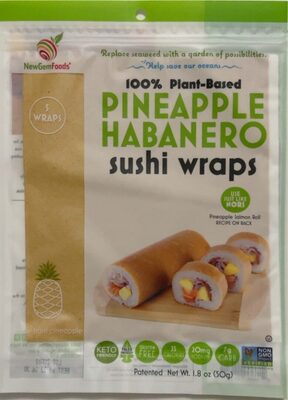 Newgem Foods, LLC
100% Plant-Based Pineapple Habanero Sushi Wraps, Pineapple
350kcal
10Protein
0Fat
70Carbs
Hormel Foods Corporation
Cinnamon Apples
104kcal
0Protein
2Fat
20.8Carbs
Five Star Gourmet Foods Inc.
Apple Chocolate Crunch Double Dippers With Apple Slices, Chocolate Hazelnut Spread & Pretzels, Apple Chocolate Crunch
161kcal
2.0Protein
4.7Fat
26.9Carbs
Newgem Foods, LLC
100% Plant-Based Pineapple Habanero Sushi Wraps, Pineapple
350kcal
10Protein
0Fat
70Carbs
Hormel Foods Corporation
Cinnamon Apples
104kcal
0Protein
2Fat
20.8Carbs
Five Star Gourmet Foods Inc.
Apple Chocolate Crunch Double Dippers With Apple Slices, Chocolate Hazelnut Spread & Pretzels, Apple Chocolate Crunch
161kcal
2.0Protein
4.7Fat
26.9Carbs
Learn more
Auto-generated content. This description was generated automatically and is pending editorial review. Inaccuracies are possible. Found a mistake? Contact us.