Arabic And Xanthan Gum
What is Arabic And Xanthan Gum?
Arabic gum, also known as gum arabic, is a natural gum made from the hardened sap of acacia trees. Xanthan gum is a polysaccharide produced by the fermentation of sugar by a specific bacterium. Both are commonly used as food additives.
Is Arabic And Xanthan Gum vegan?
Arabic And Xanthan Gum is not animal-derived. Products that contain it can still include other animal-derived ingredients, so check the full ingredient list.
Is Arabic And Xanthan Gum gluten-free?
They do not contain gluten.
Is Arabic And Xanthan Gum a major allergen?
Neither Arabic gum nor xanthan gum are derived from the major allergens.
What is Arabic And Xanthan Gum used for?
These gums are primarily used as thickeners and stabilizers in food products.
Is Arabic And Xanthan Gum safe?
Both Arabic gum and xanthan gum are considered safe by the FDA and are Generally Recognized As Safe (GRAS).
Why it's used
These gums are primarily used as thickeners and stabilizers in food products. They help to improve texture, prevent ingredients from separating, and give foods a smoother mouthfeel. They are found in a wide variety of products, including salad dressings, baked goods, sauces, and beverages.
Health notes
Both Arabic gum and xanthan gum are considered safe by the FDA and are Generally Recognized As Safe (GRAS). They are indigestible and pass through the digestive system, potentially acting as a source of soluble fiber. Some studies suggest they may help with satiety and blood sugar control, though more research is needed. International bodies like JECFA and EFSA have evaluated these gums and found them to be safe for consumption at typical levels.
Allergen info
Neither Arabic gum nor xanthan gum are derived from the major allergens. They do not contain gluten.
Foods that contain Arabic And Xanthan Gum
Compare products →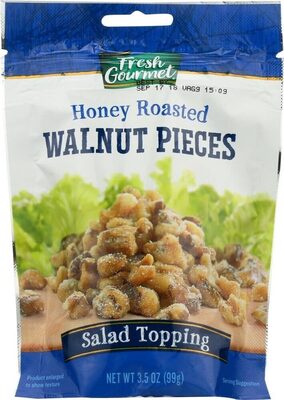 Fresh Gourmet Company
Honey Roasted Walnut Pieces Salad Topping, Honey Roasted
571kcal
14.3Protein
42.9Fat
42.9Carbs
Fresh Gourmet Company
Honey Roasted Walnut Pieces Salad Topping, Honey Roasted
571kcal
14.3Protein
42.9Fat
42.9Carbs
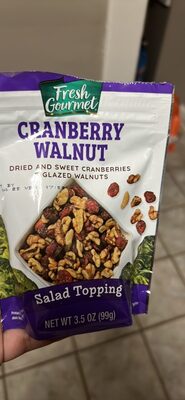 Fresh Gourmet Company
Cranberries & Glazed Walnuts
438kcal
0Protein
18.8Fat
75Carbs
Malher Sucesores/coimpania Ltd.
Yus De Toki, Drink Mix, Mango, Mango
361kcal
0Protein
0Fat
96.4Carbs
Ahold USA, Inc.
Cranberries & Glazed Walnuts Salad Topper
450kcal
0Protein
20Fat
70Carbs
Fresh Gourmet Company
Cranberries & Glazed Walnuts
438kcal
0Protein
18.8Fat
75Carbs
Malher Sucesores/coimpania Ltd.
Yus De Toki, Drink Mix, Mango, Mango
361kcal
0Protein
0Fat
96.4Carbs
Ahold USA, Inc.
Cranberries & Glazed Walnuts Salad Topper
450kcal
0Protein
20Fat
70Carbs
Learn more
Auto-generated content. This description was generated automatically and is pending editorial review. Inaccuracies are possible. Found a mistake? Contact us.