Artificial Flavor And Color
What is Artificial Flavor And Color?
Artificial flavors are chemical mixtures developed in laboratories to mimic the taste of natural ingredients. Artificial colors are synthetic dyes, also made in laboratories, that are added to foods to give them a specific hue. They do not come from natural sources like fruits, vegetables, or spices.
Is Artificial Flavor And Color a major allergen?
Not a major allergen.
What is Artificial Flavor And Color used for?
Artificial flavors are used to enhance or create specific tastes in foods and beverages, often at a lower cost than natural alternatives.
Is Artificial Flavor And Color safe?
Artificial flavors are generally recognized as safe (GRAS) or approved food additives by the FDA, and many have been evaluated by JECFA, which has set acceptable daily intakes.
Why it's used
Artificial flavors are used to enhance or create specific tastes in foods and beverages, often at a lower cost than natural alternatives. Artificial colors are added to make foods more visually appealing, consistent in color, or to identify certain flavors. They are common in sodas, powdered drinks, and baked goods.
Health notes
Artificial flavors are generally recognized as safe (GRAS) or approved food additives by the FDA, and many have been evaluated by JECFA, which has set acceptable daily intakes. Artificial colors are approved by the FDA as color additives, but the FDA announced a plan in April 2025 to phase out petroleum-based synthetic dyes like Red 40 and Yellow 5, and revoked Red 3 for food use in January 2025. While some studies suggest a link between certain artificial colors and hyperactivity in children, the evidence is mixed and not conclusive.
Allergen info
Not a major allergen.
Foods that contain Artificial Flavor And Color
Compare products →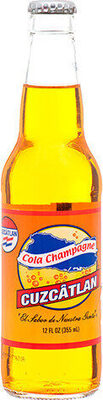
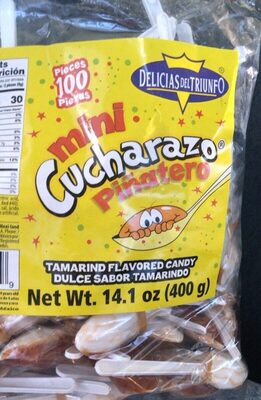
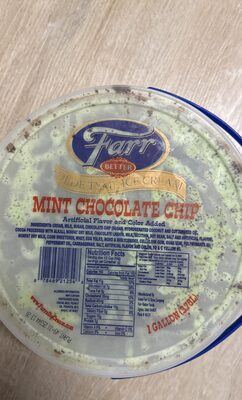
Auto-generated content. This description was generated automatically and is pending editorial review. Inaccuracies are possible. Found a mistake? Contact us.