Ascorbic Acids
What is Ascorbic Acids?
Ascorbic acid is a form of vitamin C, an essential nutrient for human health. It occurs naturally in many fruits and vegetables, especially citrus fruits. Industrially, it is often produced through a fermentation process using glucose, followed by chemical synthesis.
Is Ascorbic Acids vegan?
Ascorbic Acids is not animal-derived. Products that contain it can still include other animal-derived ingredients, so check the full ingredient list.
Is Ascorbic Acids gluten-free?
It does not contain gluten.
Is Ascorbic Acids a major allergen?
Not a major allergen.
What is Ascorbic Acids used for?
Ascorbic acid is widely used as an antioxidant to prevent spoilage and maintain the color and flavor of foods.
Is Ascorbic Acids safe?
Ascorbic acid is generally recognized as safe (GRAS) by the FDA when used as a nutrient or antioxidant.
Why it's used
Ascorbic acid is widely used as an antioxidant to prevent spoilage and maintain the color and flavor of foods. It also acts as an acidulant to provide tartness and is used as a nutrient supplement. You can find it in beverages, baked goods, cured meats, and processed fruits and vegetables.
Health notes
Ascorbic acid is generally recognized as safe (GRAS) by the FDA when used as a nutrient or antioxidant. It is an essential vitamin, and deficiency can lead to scurvy. Regulatory bodies like JECFA and EFSA have evaluated ascorbic acid and its salts, establishing acceptable daily intakes. At typical dietary levels, it is considered safe and beneficial.
Allergen info
Not a major allergen. It does not contain gluten.
Foods that contain Ascorbic Acids
Compare products →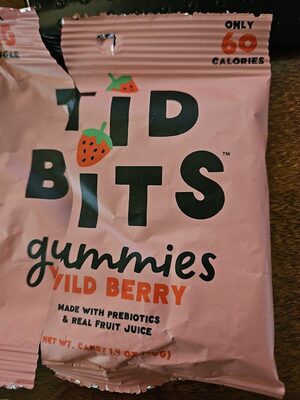
Learn more
Auto-generated content. This description was generated automatically and is pending editorial review. Inaccuracies are possible. Found a mistake? Contact us.