Asian Pears
Auto-generated content. This description was generated automatically and is pending editorial review. Inaccuracies are possible. Found a mistake? Contact us.
What it is
Asian pears are a type of pear native to East Asia, with a crisp, juicy texture and a mild, sweet flavor. They are typically eaten fresh, though they can also be used in cooking and baking. The fruit is grown in many countries, including the United States.
Why it's used
Manufacturers use Asian pears primarily for their natural sweetness and refreshing texture. They are often found in fresh fruit mixes, dried fruit snacks, and sometimes as a natural flavoring in beverages or desserts. Their firm texture also makes them suitable for some baked goods.
Health notes
Asian pears are a source of dietary fiber and vitamin C. They are not typically subject to regulation as a food additive in the US when consumed as a whole food. International bodies like EFSA have not specifically evaluated whole fruits for additive purposes. Evidence does not suggest adverse health effects from consuming Asian pears as part of a balanced diet.
Allergen info
Asian pears are not a major allergen. They do not contain gluten.
Products containing Asian Pears
Compare products →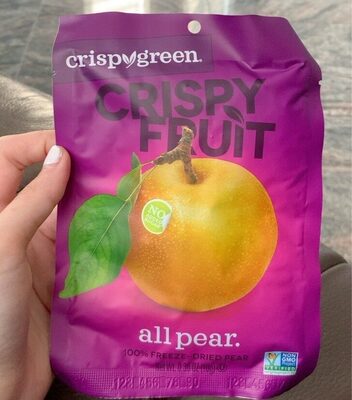 Crispy Green Inc.
No Sugar Added 100% Freeze-Dried Pear Crispy Fruit, Pear
350kcal
0Protein
0Fat
80Carbs
Crispy Green Inc.
No Sugar Added 100% Freeze-Dried Pear Crispy Fruit, Pear
350kcal
0Protein
0Fat
80Carbs
 Crispy Green Inc.
No Sugar Added 100% Freeze-Dried Pear Crispy Fruit, Pear
350kcal
0Protein
0Fat
80Carbs
Crispy Green Inc.
No Sugar Added 100% Freeze-Dried Pear Crispy Fruit, Pear
350kcal
0Protein
0Fat
80Carbs
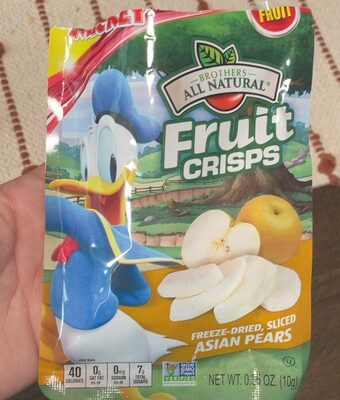 Brothers International Food Corporation
Fruit Crisps Freeze-Dried Sliced Asian Pear
400kcal
0Protein
0Fat
90Carbs
Brothers International Food Corporation
Asian Pear Fruit Crisps, Asian Pear
357kcal
3.6Protein
0Fat
96.4Carbs
Brothers International Food Corporation
Fruit Crisps Freeze-Dried Sliced Asian Pear
400kcal
0Protein
0Fat
90Carbs
Brothers International Food Corporation
Asian Pear Fruit Crisps, Asian Pear
357kcal
3.6Protein
0Fat
96.4Carbs
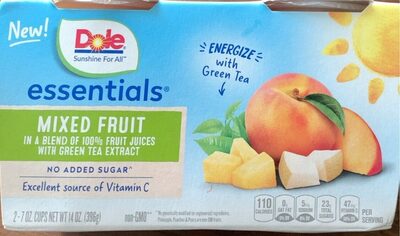 Dole Packaged Foods, LLC
Mixed Fruit In A Blend Of Fruit Juices With Green Tea Extract, Fruit Juices With Green Tea Extract
56kcal
0.5Protein
0Fat
13.1Carbs
Crispy Green Inc.
Crispy Green Crispy Fruit 100% Freeze-Dried Pear, 0.53 Oz, 4 Count
333kcal
0Protein
0Fat
80Carbs
Dole Packaged Foods, LLC
Mixed Fruit In A Blend Of Fruit Juices With Green Tea Extract, Fruit Juices With Green Tea Extract
56kcal
0.5Protein
0Fat
13.1Carbs
Crispy Green Inc.
Crispy Green Crispy Fruit 100% Freeze-Dried Pear, 0.53 Oz, 4 Count
333kcal
0Protein
0Fat
80Carbs
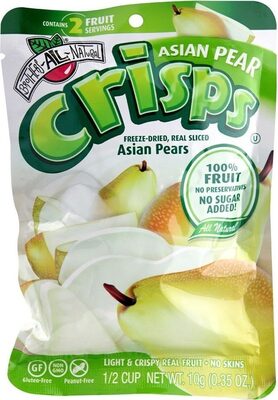 Brothers International Food Corporation
Asian Pear Fruit Crisps, Asian Pear
400kcal
0Protein
0Fat
90Carbs
Brothers International Food Corporation
Asian Pear Fruit Crisps, Asian Pear
400kcal
0Protein
0Fat
90Carbs
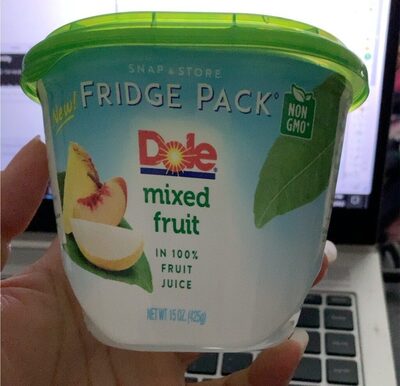 Dole Packaged Foods, LLC
Mixed Fruit In Fruit Juice Fridge Pack, Fruit Juice
74kcal
0.8Protein
0Fat
17.2Carbs
Dole Packaged Foods, LLC
Mixed Fruit In Fruit Juice Fridge Pack, Fruit Juice
74kcal
0.8Protein
0Fat
17.2Carbs