Atlantic Sea Salt
Auto-generated content. This description was generated automatically and is pending editorial review. Inaccuracies are possible. Found a mistake? Contact us.
What it is
Atlantic sea salt is a type of salt produced by evaporating seawater. It is harvested from the Atlantic Ocean and often retains trace minerals and elements from the ocean, which can affect its flavor and color. It is typically produced through natural evaporation processes, either in salt pans or by mechanical evaporation.
Why it's used
Manufacturers add sea salt for its flavor and texture. It is used to enhance the taste of a wide variety of foods, from savory dishes like marinades and seasonings to sweet treats like caramels. Its crystalline structure can also provide a desirable crunch.
Health notes
In the U.S., sea salt is generally recognized as safe (GRAS) by the FDA. Like all salt, it is a source of sodium, and high sodium intake is linked to increased blood pressure. The Joint FAO/WHO Expert Committee on Food Additives (JECFA) has evaluated salt (sodium chloride) and established acceptable daily intake levels. Evidence on the health benefits of trace minerals in sea salt is mixed, and they are present in very small amounts.
Allergen info
Sea salt is not derived from any of the nine FDA major allergens and does not contain gluten.
Products containing Atlantic Sea Salt
Compare products →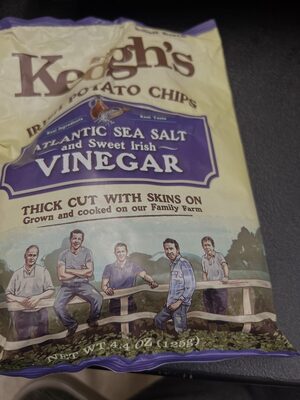 KEOGH'S
Irish Potato Crisps, Atlantic Sea Salt & Irish Cider Vinegar
High in sodium — 43% DV per serving
512kcal
6.8Protein
32.9Fat
45.6Carbs
Ragold, Inc.
Passports Soft Butter Caramels
400kcal
2.5Protein
12.5Fat
77.5Carbs
KEOGH'S
Irish Potato Crisps, Atlantic Sea Salt & Irish Cider Vinegar
High in sodium — 43% DV per serving
512kcal
6.8Protein
32.9Fat
45.6Carbs
Ragold, Inc.
Passports Soft Butter Caramels
400kcal
2.5Protein
12.5Fat
77.5Carbs
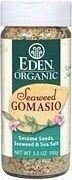 Eden Foods, Inc.
Organic Sesame Seeds Sea Salt & Garlic Gomasio, Garlic
500kcal
33.3Protein
50Fat
33.3Carbs
Eden Foods, Inc.
Organic Sesame Seeds Sea Salt & Garlic Gomasio, Garlic
500kcal
33.3Protein
50Fat
33.3Carbs
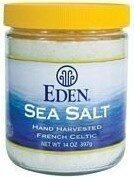 Eden Foods, Inc.
Sea Salt
0kcal
0Protein
0Fat
0Carbs
Family Dollar Stores Inc.
Chewy Caramels Naturally Flavored Candy
421kcal
0Protein
10.5Fat
79.0Carbs
CHarissa, LLC
Authentic Moroccan Seasoning, Authentic Moroccan
500kcal
0Protein
60Fat
0Carbs
Blue Elephant Farms, LLC
Soft Ripened Cow's Cheese
High in saturated fat — 35% DV per serving
429kcal
14.3Protein
39.3Fat
0Carbs
Eden Foods, Inc.
Sea Salt
0kcal
0Protein
0Fat
0Carbs
Family Dollar Stores Inc.
Chewy Caramels Naturally Flavored Candy
421kcal
0Protein
10.5Fat
79.0Carbs
CHarissa, LLC
Authentic Moroccan Seasoning, Authentic Moroccan
500kcal
0Protein
60Fat
0Carbs
Blue Elephant Farms, LLC
Soft Ripened Cow's Cheese
High in saturated fat — 35% DV per serving
429kcal
14.3Protein
39.3Fat
0Carbs