Bacterium Longum
What is Bacterium Longum?
Bifidobacterium longum is a type of bacteria that naturally lives in the human gut. It is often grown in labs for use in foods and supplements. The bacteria are typically cultured in a nutrient-rich liquid medium.
Is Bacterium Longum vegan?
Bacterium Longum is not animal-derived. Products that contain it can still include other animal-derived ingredients, so check the full ingredient list.
Is Bacterium Longum gluten-free?
It does not contain gluten.
Is Bacterium Longum a major allergen?
Bifidobacterium longum is not derived from any of the 9 FDA major allergens.
What is Bacterium Longum used for?
B. longum is added to foods as a probiotic to support gut health.
Is Bacterium Longum safe?
Bifidobacterium longum is generally recognized as safe (GRAS) by the FDA for use in food.
Why it's used
B. longum is added to foods as a probiotic to support gut health. It is commonly found in fermented dairy products like yogurt and kefir, as well as in some specialized beverages and dietary supplements.
Health notes
Bifidobacterium longum is generally recognized as safe (GRAS) by the FDA for use in food. Probiotics like B. longum are studied for their potential to support digestive health and the immune system. JECFA has evaluated some strains of Bifidobacterium and has not set a numeric limit (ADI not specified). Research is ongoing, and effects can vary depending on the specific strain and the individual.
Allergen info
Bifidobacterium longum is not derived from any of the 9 FDA major allergens. It does not contain gluten.
Foods that contain Bacterium Longum
Compare products →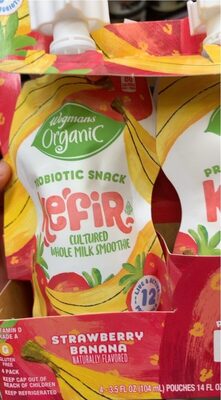
Auto-generated content. This description was generated automatically and is pending editorial review. Inaccuracies are possible. Found a mistake? Contact us.