Diacetylactis
What is Diacetylactis?
Diacetylactis is a flavoring compound that occurs naturally in butter and some fermented dairy products. It is produced by certain bacteria, like *Lactococcus lactis*, during fermentation. It can also be synthesized for use as a food additive.
Is Diacetylactis gluten-free?
It does not contain gluten.
Is Diacetylactis a major allergen?
Diacetylactis is not derived from any of the 9 FDA major allergens.
What is Diacetylactis used for?
Diacetylactis is used to impart a buttery flavor and aroma to foods.
Is Diacetylactis safe?
Diacetylactis is generally recognized as safe (GRAS) by the FDA for use as a flavoring agent.
Why it's used
Diacetylactis is used to impart a buttery flavor and aroma to foods. It is commonly found in dairy products, baked goods, and confectionery. It is often used in imitation butter flavorings and in microwave popcorn.
Health notes
Diacetylactis is generally recognized as safe (GRAS) by the FDA for use as a flavoring agent. In 2016, the FDA issued guidance on reducing worker exposure to diacetyl, following concerns about respiratory issues in workers who inhaled large amounts of the substance. JECFA and EFSA have evaluated diacetyl and have not set a numeric limit (ADI not specified). Evidence regarding health effects from typical dietary consumption is mixed, with some studies suggesting potential risks at very high exposures, while others indicate no significant harm at typical intake levels.
Allergen info
Diacetylactis is not derived from any of the 9 FDA major allergens. It does not contain gluten.
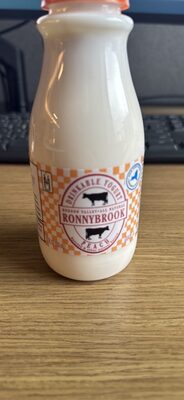
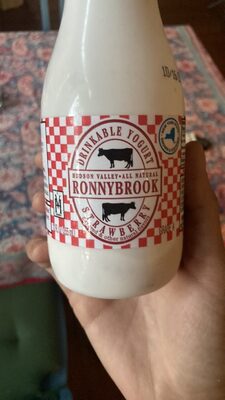
Foods that contain Diacetylactis
Compare products →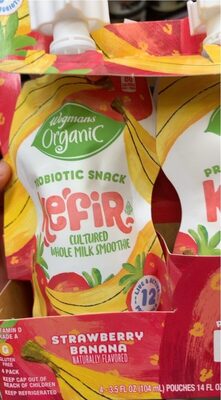
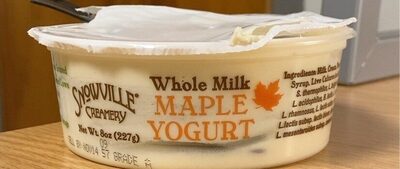
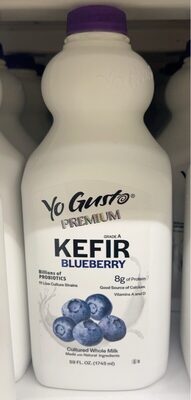
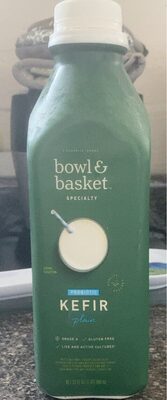
Learn more
Auto-generated content. This description was generated automatically and is pending editorial review. Inaccuracies are possible. Found a mistake? Contact us.