Bagel Halves
What is Bagel Halves?
Bagel halves are typically made from a leavened dough of wheat flour, water, and yeast, often with added sweeteners and salt. The dough is shaped, boiled briefly in water, and then baked. They are commonly sold pre-sliced for convenience.
Is Bagel Halves vegan?
Bagel Halves is not animal-derived. Products that contain it can still include other animal-derived ingredients, so check the full ingredient list.
Is Bagel Halves gluten-free?
They also contain gluten.
Is Bagel Halves a major allergen?
Bagel halves are derived from wheat, which is one of the FDA's major allergens.
What is Bagel Halves used for?
Bagel halves are used as a base for various toppings and fillings, functioning primarily as a carbohydrate-rich food component.
Is Bagel Halves safe?
Bagel halves are a common food item and are not subject to specific FDA additive regulations.
Why it's used
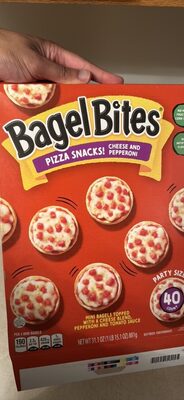
Bagel halves are used as a base for various toppings and fillings, functioning primarily as a carbohydrate-rich food component. They are found in products like frozen pizzas, breakfast sandwiches, and appetizers, where they provide a convenient and familiar base.
Health notes
Bagel halves are a common food item and are not subject to specific FDA additive regulations. Their nutritional content is primarily carbohydrates, with some protein and fiber depending on the flour used. Regulatory bodies like JECFA and EFSA have not specifically evaluated 'bagel halves' as a distinct ingredient, but rather the components that make them up. Consumption within a balanced diet is generally considered safe.
Allergen info
Bagel halves are derived from wheat, which is one of the FDA's major allergens. They also contain gluten.
Foods that contain Bagel Halves
Compare products →









Learn more
Auto-generated content. This description was generated automatically and is pending editorial review. Inaccuracies are possible. Found a mistake? Contact us.