Baguette
What is Baguette?
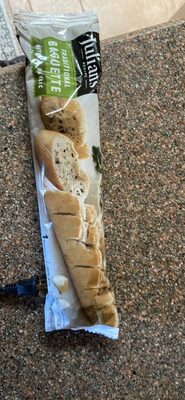
A baguette is a long, thin loaf of French bread. It is made from basic lean dough (flour, water, yeast, and salt) and is known for its crisp crust and soft interior. Baguettes are typically baked in a very hot oven.
Is Baguette vegan?
Baguette is not animal-derived. Products that contain it can still include other animal-derived ingredients, so check the full ingredient list.
Is Baguette gluten-free?
They also contain gluten, a protein found in wheat.
Is Baguette a major allergen?
Baguettes contain wheat, which is one of the 9 FDA major allergens.
What is Baguette used for?
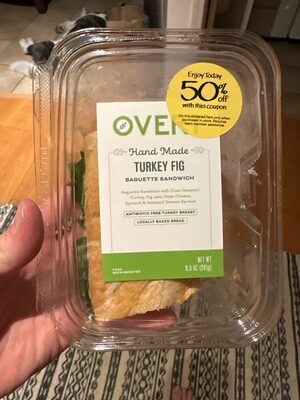
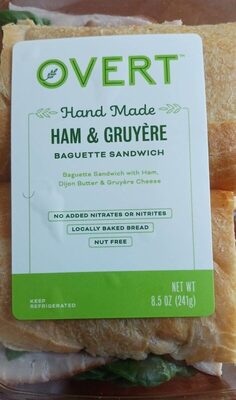
Baguettes are primarily eaten as a bread product, often served alongside meals or used to make sandwiches.
Is Baguette safe?
Baguettes are a common food item and are not subject to specific FDA regulations beyond general food safety standards.
Why it's used
Baguettes are primarily eaten as a bread product, often served alongside meals or used to make sandwiches. Their simple flavor and texture make them versatile for various culinary applications. Manufacturers use them as a base for prepared sandwiches and as a component in frozen bread products.
Health notes
Baguettes are a common food item and are not subject to specific FDA regulations beyond general food safety standards. They are a source of carbohydrates and provide some B vitamins and minerals from the flour. Regulatory bodies like EFSA have evaluated flour and bread products, and they are generally considered safe for consumption as part of a balanced diet. No significant health controversies are associated with typical baguette consumption.
Allergen info
Baguettes contain wheat, which is one of the 9 FDA major allergens. They also contain gluten, a protein found in wheat.
Foods that contain Baguette
Compare products →



Learn more
Auto-generated content. This description was generated automatically and is pending editorial review. Inaccuracies are possible. Found a mistake? Contact us.