Barley And Wheat Malt Flour
What is Barley And Wheat Malt Flour?
Barley and wheat malt flour is made from malted barley and wheat grains. Malting involves steeping the grains in water to encourage germination, then drying them with hot air. This process develops enzymes and sugars, which are then milled into a flour.
Is Barley And Wheat Malt Flour vegan?
Barley And Wheat Malt Flour is not animal-derived. Products that contain it can still include other animal-derived ingredients, so check the full ingredient list.
Is Barley And Wheat Malt Flour gluten-free?
Barley and wheat are grains that contain gluten.
What is Barley And Wheat Malt Flour used for?
This flour is used as a flavoring agent and to improve the texture and crust color of baked goods.
Is Barley And Wheat Malt Flour safe?
Barley and wheat malt flour is generally recognized as safe (GRAS) by the FDA when used as intended.
Why it's used
This flour is used as a flavoring agent and to improve the texture and crust color of baked goods. It adds a malty, slightly sweet flavor and can help with leavening. It is often found in bread, crackers, and cereals.
Health notes
Barley and wheat malt flour is generally recognized as safe (GRAS) by the FDA when used as intended. It is a source of carbohydrates and some B vitamins. JECFA has evaluated malt and malt extract, and EFSA has evaluated malted barley extract. At typical consumption levels found in food, it is not associated with adverse health effects.
Allergen info
Barley and wheat are grains that contain gluten. Wheat is one of the 9 FDA major allergens. Individuals with celiac disease or gluten sensitivity should avoid this ingredient.
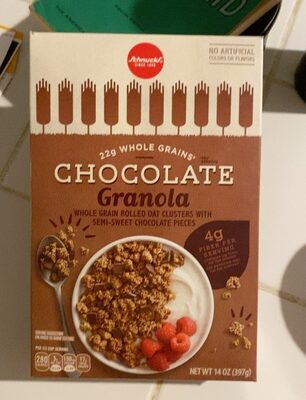
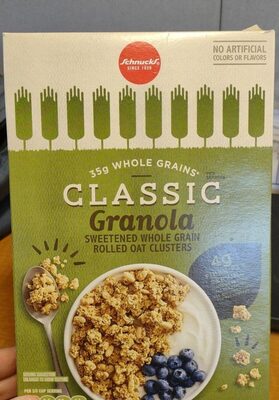
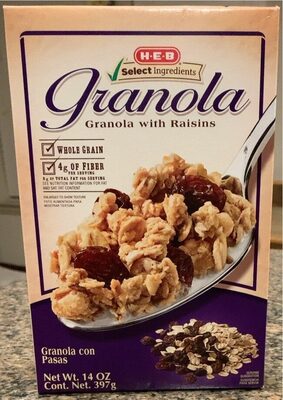
Foods that contain Barley And Wheat Malt Flour
Compare products →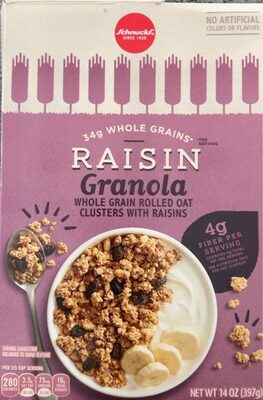

Learn more
Auto-generated content. This description was generated automatically and is pending editorial review. Inaccuracies are possible. Found a mistake? Contact us.