Battered With
What is Battered With?
Battered With refers to a coating applied to foods, typically made from a mixture of flour, water, and leavening agents. Other ingredients like spices, salt, and sometimes eggs or milk can be added for flavor and texture. The batter is then fried or baked onto the food product.
Is Battered With gluten-free?
Gluten is present if wheat flour is used.
Is Battered With a major allergen?
Batter may contain wheat, which is a major allergen.
What is Battered With used for?
Manufacturers use batter to create a crispy or crunchy exterior on foods like chicken, fish, and vegetables.
Is Battered With safe?
Ingredients used in batters are generally recognized as safe (GRAS) by the FDA when used as intended.
Why it's used
Manufacturers use batter to create a crispy or crunchy exterior on foods like chicken, fish, and vegetables. It adds flavor, improves texture, and can help seal in moisture during cooking. Batter is commonly found in frozen entrees, appetizers, and deli items.
Health notes
Ingredients used in batters are generally recognized as safe (GRAS) by the FDA when used as intended. Typical batter ingredients like flour and water do not have specific regulatory limits. International bodies like JECFA have evaluated many common food ingredients. Evidence does not suggest adverse health effects from typical consumption of battered foods.
Allergen info
Batter may contain wheat, which is a major allergen. If eggs or milk are used in the batter, these are also major allergens. Gluten is present if wheat flour is used.
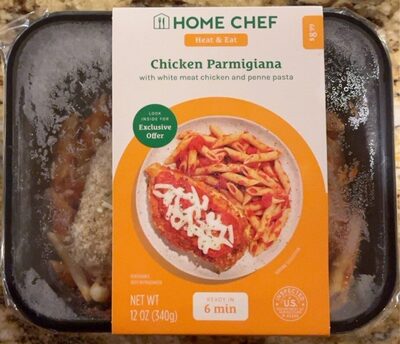
Foods that contain Battered With
Compare products →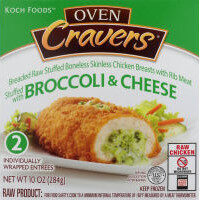
Auto-generated content. This description was generated automatically and is pending editorial review. Inaccuracies are possible. Found a mistake? Contact us.