Beeswax Carnauba Wax
What is Beeswax Carnauba Wax?
Beeswax is a natural wax produced by honey bees in their hives. Carnauba wax, also known as palm wax, is a wax secreted by a palm tree native to northeastern Brazil. Both waxes are typically refined and purified before being used in food.
Is Beeswax Carnauba Wax vegan?
No. Beeswax Carnauba Wax is animal-derived, so it is not vegan.
Is Beeswax Carnauba Wax gluten-free?
They do not contain gluten.
Is Beeswax Carnauba Wax a major allergen?
Beeswax and carnauba wax are not derived from any of the 9 FDA major allergens.
What is Beeswax Carnauba Wax used for?
These waxes are primarily used as glazing agents, meaning they give foods a shiny appearance and help prevent moisture loss.
Is Beeswax Carnauba Wax safe?
In the US, both beeswax and carnauba wax are generally recognized as safe (GRAS) by the FDA for use in food.
Why it's used
These waxes are primarily used as glazing agents, meaning they give foods a shiny appearance and help prevent moisture loss. They are often found in confectionery, such as candies and chocolates, as well as in some processed fruits and nuts.
Health notes
In the US, both beeswax and carnauba wax are generally recognized as safe (GRAS) by the FDA for use in food. They are considered indigestible and pass through the body without being absorbed. International bodies like JECFA and EFSA have evaluated these substances and have not identified safety concerns at typical consumption levels. No significant health controversies are associated with their use.
Allergen info
Beeswax and carnauba wax are not derived from any of the 9 FDA major allergens. They do not contain gluten.
Foods that contain Beeswax Carnauba Wax
Compare products →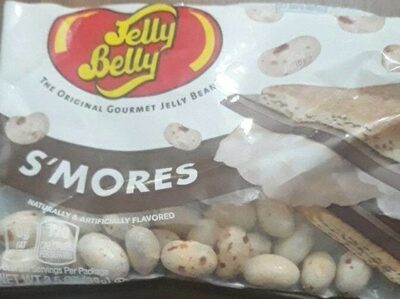
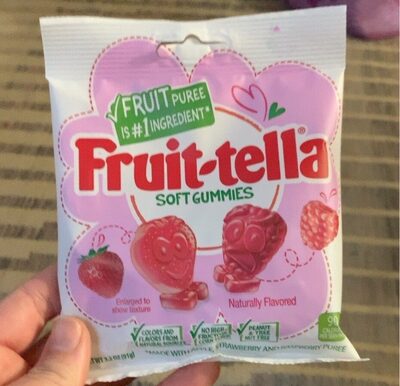
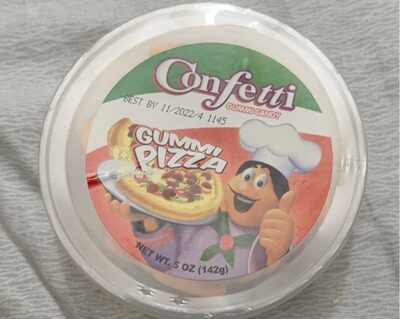 Confetti
Gummi Pizza Candy
High in added sugars — 32% DV per serving
333kcal
6.7Protein
0Fat
80Carbs
Auto-generated content. This description was generated automatically and is pending editorial review. Inaccuracies are possible. Found a mistake? Contact us.