Betapower Betaine Anhydrous
What is Betapower Betaine Anhydrous?
Betaine anhydrous, also known as trimethylglycine, is a naturally occurring compound found in sugar beets and other plants. It is synthesized commercially for use as a food ingredient.
Is Betapower Betaine Anhydrous vegan?
Betapower Betaine Anhydrous is not animal-derived. Products that contain it can still include other animal-derived ingredients, so check the full ingredient list.
Is Betapower Betaine Anhydrous gluten-free?
It does not contain gluten.
Is Betapower Betaine Anhydrous a major allergen?
Betaine anhydrous is not derived from any of the nine FDA major allergens.
What is Betapower Betaine Anhydrous used for?
Manufacturers add betaine anhydrous to foods and beverages for its potential to improve hydration and muscle performance.
Is Betapower Betaine Anhydrous safe?
Betaine anhydrous is Generally Recognized As Safe (GRAS) by the FDA for use in food.
Why it's used
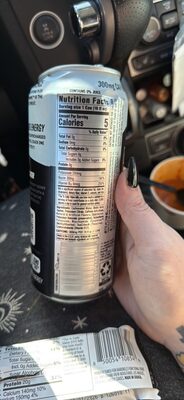
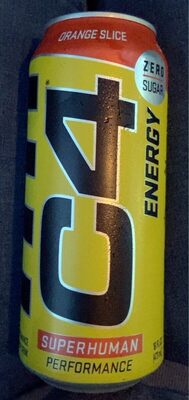
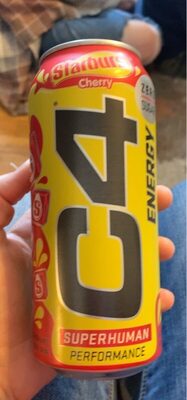
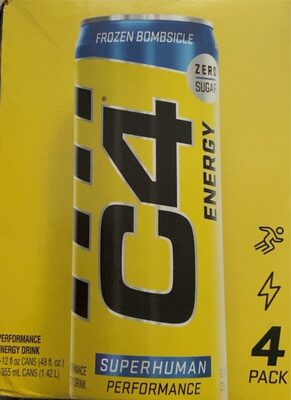
Manufacturers add betaine anhydrous to foods and beverages for its potential to improve hydration and muscle performance. It is commonly found in energy drinks, sports drinks, and protein supplements.
Health notes
Betaine anhydrous is Generally Recognized As Safe (GRAS) by the FDA for use in food. Some research suggests it may have benefits for exercise performance and hydration, but more studies are needed. The Joint FAO/WHO Expert Committee on Food Additives (JECFA) has evaluated betaine, but did not set a numeric acceptable daily intake. Evidence on its health effects at typical dietary intakes is generally considered mixed or inconclusive.
Allergen info
Betaine anhydrous is not derived from any of the nine FDA major allergens. It does not contain gluten.
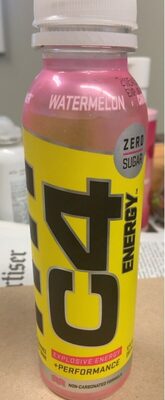
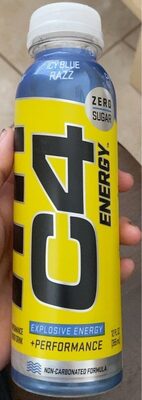
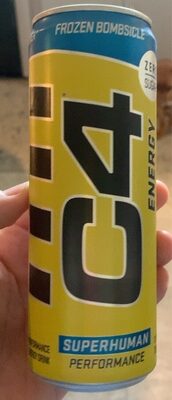
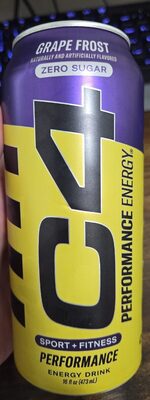
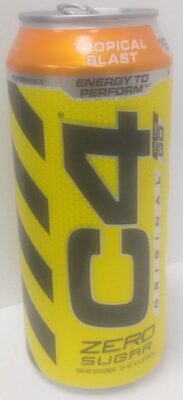
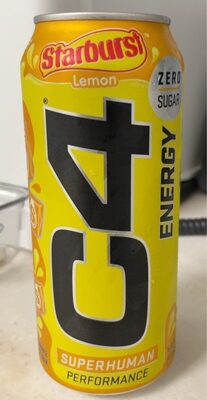
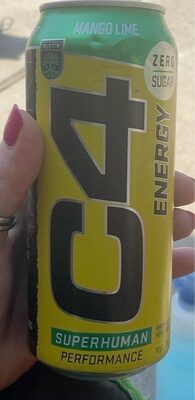
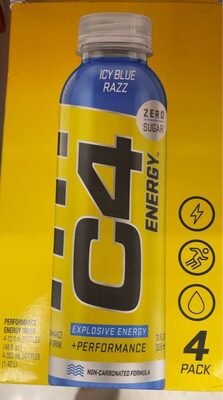
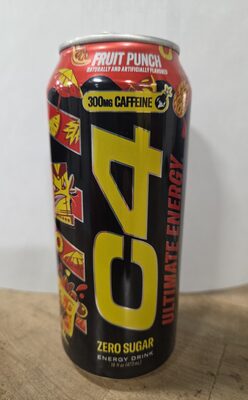
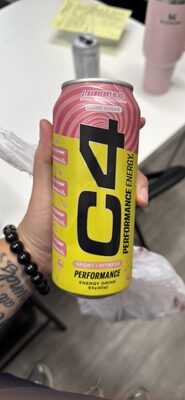
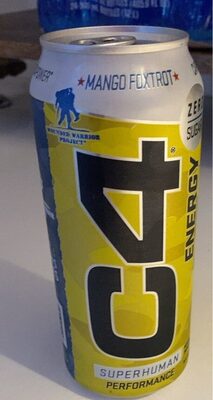
Foods that contain Betapower Betaine Anhydrous
Compare products →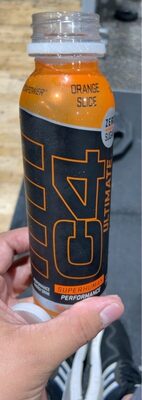
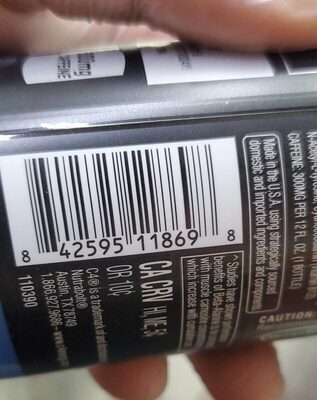
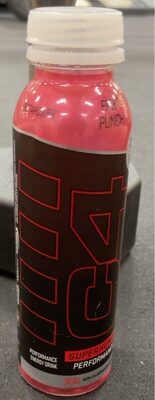
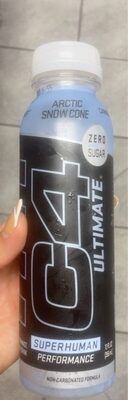
Learn more
Auto-generated content. This description was generated automatically and is pending editorial review. Inaccuracies are possible. Found a mistake? Contact us.