BHA Or Citric Acid
Auto-generated content. This description was generated automatically and is pending editorial review. Inaccuracies are possible. Found a mistake? Contact us.
What it is
BHA, or Butylated Hydroxyanisole, is a synthetic antioxidant. It is made by chemically combining 4-methoxyphenol and isobutylene. It is a waxy solid.
Why it's used
Manufacturers add BHA to foods to prevent fats and oils from going bad (oxidizing or becoming rancid). It helps extend the shelf life of products like baked goods, snack foods, cereals, and some meat products.
Health notes
BHA is approved by the FDA as a direct food additive. JECFA has evaluated BHA and set an acceptable daily intake. The International Agency for Research on Cancer (IARC) classifies BHA as "possibly carcinogenic to humans" (Group 2B), based on studies in animals. However, human studies have not shown a clear link to cancer, and the evidence is mixed regarding its effects at typical intake levels.
Allergen info
Not a major allergen.
Products containing BHA Or Citric Acid
Compare products →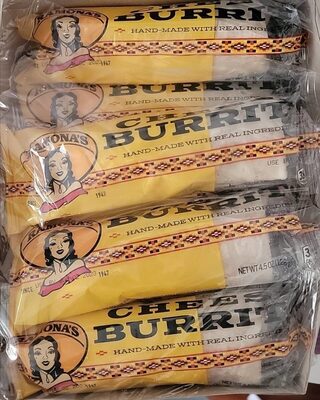 Ramona's Mexican Food Products
Cheese Burrito, Cheese
High in sodium — 23% DV per serving
High in saturated fat — 50% DV per serving
297kcal
11.7Protein
15.6Fat
26.6Carbs
Ramona's Mexican Food Products
Potato & Beef Burrito, Potato & Beef
High in saturated fat — 20% DV per serving
211kcal
7.0Protein
8.6Fat
25.8Carbs
Ramona's Mexican Food Products
Cheese Burrito, Cheese
High in sodium — 23% DV per serving
High in saturated fat — 50% DV per serving
297kcal
11.7Protein
15.6Fat
26.6Carbs
Ramona's Mexican Food Products
Potato & Beef Burrito, Potato & Beef
High in saturated fat — 20% DV per serving
211kcal
7.0Protein
8.6Fat
25.8Carbs