Biscuits
What is Biscuits?
In the US, "biscuit" can refer to a soft, leavened bread. However, in many packaged foods, especially those imported or influenced by European confectionery, "biscuit" refers to a thin, baked product similar to what Americans call a cookie or cracker. These are typically made from flour, sugar, and fat.
Is Biscuits a major allergen?
Biscuits are typically made with wheat flour, which is a major allergen.
What is Biscuits used for?
When found in packaged foods like candy, chocolate, or nut butters, biscuits are added to provide a crunchy texture and a distinct baked flavor.
Is Biscuits safe?
Biscuits are a food product, not a food additive, and therefore are not subject to direct regulation by the FDA as an additive.
Why it's used
When found in packaged foods like candy, chocolate, or nut butters, biscuits are added to provide a crunchy texture and a distinct baked flavor. They contribute to the overall eating experience by adding contrast to softer or creamier components.
Health notes
Biscuits are a food product, not a food additive, and therefore are not subject to direct regulation by the FDA as an additive. Their nutritional content varies widely depending on specific ingredients, but they typically provide carbohydrates, fats, and calories. Excessive consumption of biscuits, especially those high in added sugars and saturated fats, can contribute to an unhealthy diet. No specific health evaluations by JECFA or EFSA apply to "biscuits" as a general food category.
Allergen info
Biscuits are typically made with wheat flour, which is a major allergen. They often contain other major allergens such as milk, soy, and sometimes tree nuts or peanuts, depending on the specific recipe.
Foods that contain Biscuits
Compare products →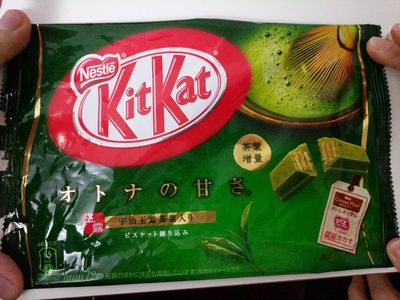
Learn more
Auto-generated content. This description was generated automatically and is pending editorial review. Inaccuracies are possible. Found a mistake? Contact us.