Black Sesame Oil
What is Black Sesame Oil?
Black sesame oil is a flavorful oil pressed from toasted black sesame seeds. The seeds are typically roasted before pressing to enhance their nutty aroma and taste. It is commonly used as a finishing oil for its rich flavor and dark color.
Is Black Sesame Oil vegan?
Black Sesame Oil is not animal-derived. Products that contain it can still include other animal-derived ingredients, so check the full ingredient list.
Is Black Sesame Oil a major allergen?
Sesame is one of the 9 FDA major allergens.
What is Black Sesame Oil used for?
Black sesame oil is primarily used for its distinct flavor and aroma, adding a nutty, toasted taste to foods.
Is Black Sesame Oil safe?
Black sesame oil is generally recognized as safe (GRAS) by the FDA for use in food.
Why it's used
Black sesame oil is primarily used for its distinct flavor and aroma, adding a nutty, toasted taste to foods. It's often used as a finishing oil in dressings, marinades, stir-fries, and as a drizzle over cooked dishes. Manufacturers use it to impart a unique flavor profile rather than for functional properties like preservation or emulsification.
Health notes
Black sesame oil is generally recognized as safe (GRAS) by the FDA for use in food. It is a source of healthy fats and antioxidants. JECFA has evaluated sesame oil and established an acceptable daily intake. Evidence does not suggest adverse health effects from typical consumption levels.
Allergen info
Sesame is one of the 9 FDA major allergens. Black sesame oil is derived from sesame seeds and therefore is considered a major allergen.
Foods that contain Black Sesame Oil
Compare products →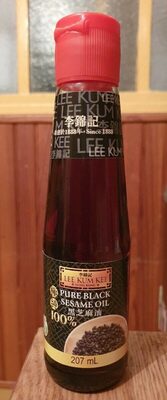 Lee Kum Kee Co. Ltd.
100% Pure Black Sesame Oil
867kcal
0Protein
93.3Fat
0Carbs
Lee Kum Kee Co. Ltd.
100% Pure Black Sesame Oil
867kcal
0Protein
93.3Fat
0Carbs
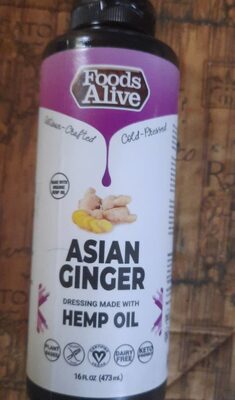 Foods Alive Inc.
Superfood Dressing, Asian Ginger
High in sodium — 21% DV per serving
500kcal
0Protein
50Fat
10.7Carbs
Foods Alive Inc.
Asian Ginger Superfood Dressing, Asian Ginger
High in sodium — 21% DV per serving
500kcal
0Protein
50Fat
10.7Carbs
Foods Alive Inc.
Superfood Dressing, Asian Ginger
High in sodium — 21% DV per serving
500kcal
0Protein
50Fat
10.7Carbs
Foods Alive Inc.
Superfood Dressing, Asian Ginger
High in sodium — 21% DV per serving
500kcal
0Protein
50Fat
10.7Carbs
Foods Alive Inc.
Asian Ginger Superfood Dressing, Asian Ginger
High in sodium — 21% DV per serving
500kcal
0Protein
50Fat
10.7Carbs
Foods Alive Inc.
Superfood Dressing, Asian Ginger
High in sodium — 21% DV per serving
500kcal
0Protein
50Fat
10.7Carbs
Learn more
Auto-generated content. This description was generated automatically and is pending editorial review. Inaccuracies are possible. Found a mistake? Contact us.