Blueberry Topping
What is Blueberry Topping?
Blueberry topping is a prepared food product typically made from blueberries, sugar, water, and often thickeners like cornstarch or pectin. It is processed to create a sweet, fruit-flavored sauce or spread. The topping provides the taste and texture of blueberries in various food applications.
Is Blueberry Topping a major allergen?
Blueberries themselves are not among the nine major food allergens identified by the FDA.
What is Blueberry Topping used for?
Manufacturers add blueberry topping to provide fruit flavor, sweetness, and a pleasant texture to food products.
Is Blueberry Topping safe?
Blueberry topping is a food ingredient, not a single food additive, so it is not subject to FDA approval as an additive.
Why it's used
Manufacturers add blueberry topping to provide fruit flavor, sweetness, and a pleasant texture to food products. It is commonly used in dairy items like cottage cheese and yogurt, as well as in desserts, pastries, and breakfast foods.
Health notes
Blueberry topping is a food ingredient, not a single food additive, so it is not subject to FDA approval as an additive. Its individual components, such as blueberries, sugars, and thickeners, are regulated by the FDA. As a food product, it is generally recognized as safe when consumed as part of a balanced diet. However, blueberry toppings often contain added sugars, and the 2025-2030 Dietary Guidelines for Americans recommend no specific amount of added sugars, advising to limit intake. JECFA and EFSA do not evaluate composite food items like blueberry topping.
Allergen info
Blueberries themselves are not among the nine major food allergens identified by the FDA. However, commercial blueberry toppings may contain other ingredients, such as thickeners or flavorings, that could be derived from major allergens like wheat or soy. Consumers should always check the ingredient list for specific allergen information.
Foods that contain Blueberry Topping
Compare products →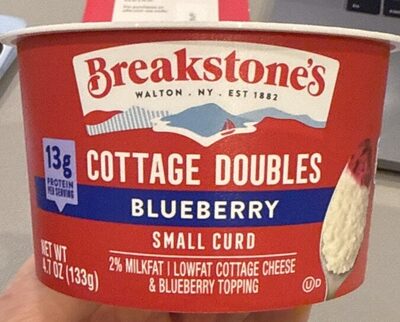
Auto-generated content. This description was generated automatically and is pending editorial review. Inaccuracies are possible. Found a mistake? Contact us.