Boneless Skinless Chicken Breast Tenderloins
What is Boneless Skinless Chicken Breast Tenderloins?
Boneless, skinless chicken breast tenderloins are cuts of chicken meat taken from the breast muscle. They are a lean source of protein, commonly found in grocery stores and used in various home-cooked meals.
Is Boneless Skinless Chicken Breast Tenderloins vegan?
No. Boneless Skinless Chicken Breast Tenderloins is animal-derived, so it is not vegan.
Is Boneless Skinless Chicken Breast Tenderloins gluten-free?
It does not contain gluten.
Is Boneless Skinless Chicken Breast Tenderloins a major allergen?
Not a major allergen.
What is Boneless Skinless Chicken Breast Tenderloins used for?
Chicken tenderloins are primarily used as a protein source in meals.
Is Boneless Skinless Chicken Breast Tenderloins safe?
Chicken is a natural food and not an additive.
Why it's used
Chicken tenderloins are primarily used as a protein source in meals. They are often breaded and fried or baked, grilled, or stir-fried. They appear in many types of dishes, from appetizers to main courses.
Health notes
Chicken is a natural food and not an additive. It is a good source of protein and other nutrients. The U.S. Department of Agriculture (USDA) recommends consuming lean protein sources as part of a balanced diet. No specific regulatory bodies like the FDA or EFSA evaluate chicken as a food ingredient in the same way they do additives.
Allergen info
Not a major allergen. Chicken is not derived from any of the 9 FDA major allergens. It does not contain gluten.
Foods that contain Boneless Skinless Chicken Breast Tenderloins
Compare products →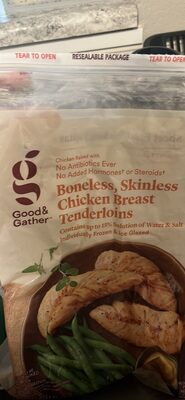
Learn more
Auto-generated content. This description was generated automatically and is pending editorial review. Inaccuracies are possible. Found a mistake? Contact us.