Brioche
What is Brioche?
Brioche is a rich, tender bread that originated in France. It is made with a high proportion of eggs and butter, which gives it a soft, fine crumb and a golden color. The dough is often enriched with milk and sugar, and it is typically leavened with yeast.
Is Brioche vegan?
No. Brioche is animal-derived, so it is not vegan.
Is Brioche gluten-free?
Gluten is present due to the wheat content.
Is Brioche a major allergen?
Brioche contains wheat and eggs, which are two of the nine major allergens identified by the FDA.
What is Brioche used for?
Brioche is used as a base for both sweet and savory dishes due to its rich flavor and soft texture.
Is Brioche safe?
Brioche is a type of bread and does not have specific regulatory evaluations as an additive.
Why it's used
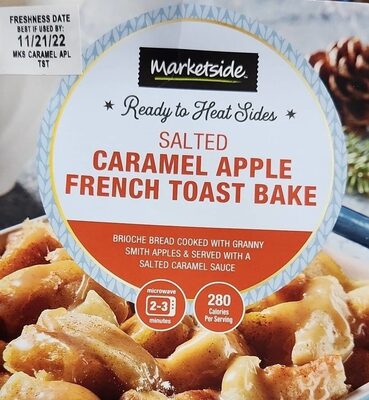
Brioche is used as a base for both sweet and savory dishes due to its rich flavor and soft texture. It is commonly found in pastries, desserts, and as a base for French toast. Manufacturers use it to add a decadent, buttery flavor and a soft, yielding texture to baked goods.
Health notes
Brioche is a type of bread and does not have specific regulatory evaluations as an additive. Its primary ingredients are flour, eggs, butter, sugar, and yeast, which are common food components. The U.S. Food and Drug Administration (FDA) generally recognizes ingredients like flour, eggs, and butter as safe when used as intended. JECFA and EFSA have not specifically evaluated 'brioche' as a distinct food ingredient, but rather the individual components within it.
Allergen info
Brioche contains wheat and eggs, which are two of the nine major allergens identified by the FDA. It may also contain milk if milk is used in its preparation. Gluten is present due to the wheat content.
Foods that contain Brioche
Compare products →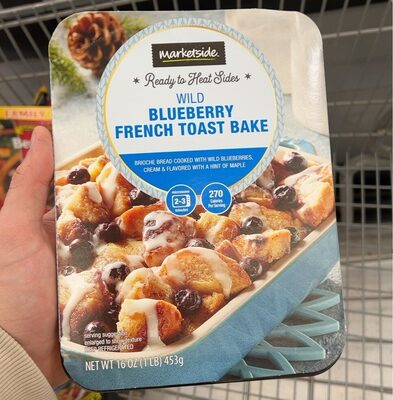
Learn more
Auto-generated content. This description was generated automatically and is pending editorial review. Inaccuracies are possible. Found a mistake? Contact us.