Buffering Blend
What is Buffering Blend?
A buffering blend is a mixture of ingredients used to help control the acidity or alkalinity of foods. These blends often contain substances like sodium citrate, potassium citrate, or citric acid, which are commonly found in nature or produced through industrial processes. They are designed to maintain a stable pH level in food products.
Is Buffering Blend gluten-free?
They do not contain gluten.
Is Buffering Blend a major allergen?
Buffering blends are not derived from major allergens.
What is Buffering Blend used for?
Manufacturers add buffering blends to foods to stabilize pH, which can improve texture, flavor, and shelf life.
Is Buffering Blend safe?
Buffering agents like citrates are generally recognized as safe (GRAS) by the FDA for use in food.
Why it's used
Manufacturers add buffering blends to foods to stabilize pH, which can improve texture, flavor, and shelf life. They are often used in dairy products, beverages, and processed foods like sauces and desserts. By controlling acidity, these blends help prevent spoilage and maintain the desired consistency of the product.
Health notes
Buffering agents like citrates are generally recognized as safe (GRAS) by the FDA for use in food. They are metabolized by the body and are not associated with significant health concerns at typical consumption levels. International bodies like JECFA have evaluated these substances and found them acceptable for use. While generally safe, excessive intake of any food additive should be avoided.
Allergen info
Buffering blends are not derived from major allergens. They do not contain gluten.
Foods that contain Buffering Blend
Compare products →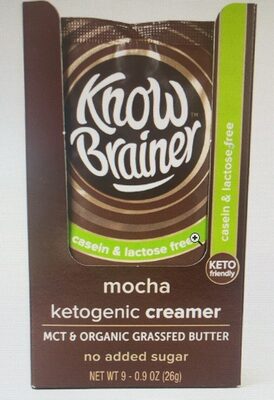 Know Brainer Foods LLC
The Thinker's Creamer, Mocha
High in saturated fat — 90% DV per serving
769kcal
3.9Protein
80.8Fat
3.9Carbs
Know Brainer Foods LLC
Mocha Ketogenic Creamer, Mocha
High in saturated fat — 90% DV per serving
769kcal
3.9Protein
80.8Fat
3.9Carbs
Know Brainer Foods LLC
The Thinker's Creamer, Hazelnut
High in saturated fat — 90% DV per serving
769kcal
3.9Protein
80.8Fat
3.9Carbs
Know Brainer Foods LLC
The Thinker's Creamer, Mocha
High in saturated fat — 90% DV per serving
769kcal
3.9Protein
80.8Fat
3.9Carbs
Know Brainer Foods LLC
Mocha Ketogenic Creamer, Mocha
High in saturated fat — 90% DV per serving
769kcal
3.9Protein
80.8Fat
3.9Carbs
Know Brainer Foods LLC
The Thinker's Creamer, Hazelnut
High in saturated fat — 90% DV per serving
769kcal
3.9Protein
80.8Fat
3.9Carbs
Auto-generated content. This description was generated automatically and is pending editorial review. Inaccuracies are possible. Found a mistake? Contact us.