Burnt Sugar Syrup
Auto-generated content. This description was generated automatically and is pending editorial review. Inaccuracies are possible. Found a mistake? Contact us.
What it is
Burnt sugar syrup, also known as caramel color, is made by heating sugar until it turns brown. This process can involve adding small amounts of acids, alkalis, or sulfites to control the color and flavor. It is used to give foods a brown hue and a slightly bitter, roasted taste.
Why it's used
Manufacturers use burnt sugar syrup primarily as a coloring agent to achieve various shades of brown in foods and beverages. It can also contribute a subtle caramel flavor. It is commonly found in baked goods, confectionery, sauces, gravies, and alcoholic beverages like beer and whiskey.
Health notes
Burnt sugar syrup is generally recognized as safe (GRAS) by the FDA for use as a food coloring. Regulatory bodies like JECFA and EFSA have evaluated caramel colors. Some studies have raised questions about certain compounds formed during caramelization, such as 4-MEI, but extensive reviews by regulatory agencies have generally concluded that caramel colors are safe at typical consumption levels. The FDA monitors safety data for food ingredients.
Allergen info
Burnt sugar syrup is not derived from any of the nine FDA major allergens. It does not contain gluten.
Products containing Burnt Sugar Syrup
Compare products →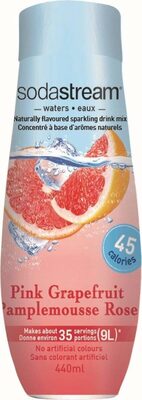 Numerex Corp
Sodastream, Sparkling Water Mix, Pink Grapefruit, Pink Grapefruit
375kcal
0Protein
0Fat
91.7Carbs
Numerex Corp
Sodastream, Skinnygirl Sparkling Drink Mix, Cucumber Lime, Cucumber Lime
333kcal
0Protein
0Fat
83.3Carbs
Numerex Corp
Sodastream, Sparkling Water Mix, Pink Grapefruit, Pink Grapefruit
375kcal
0Protein
0Fat
91.7Carbs
Numerex Corp
Sodastream, Skinnygirl Sparkling Drink Mix, Cucumber Lime, Cucumber Lime
333kcal
0Protein
0Fat
83.3Carbs