Buttermilk Ranch Dressing Canola Oil
What is Buttermilk Ranch Dressing Canola Oil?
Canola oil is a vegetable oil derived from the seeds of the canola plant. It is produced by crushing the seeds to extract the oil, which is then refined. Canola oil is known for its neutral flavor and light texture.
Is Buttermilk Ranch Dressing Canola Oil vegan?
Buttermilk Ranch Dressing Canola Oil is not animal-derived. Products that contain it can still include other animal-derived ingredients, so check the full ingredient list.
Is Buttermilk Ranch Dressing Canola Oil gluten-free?
It does not contain gluten.
Is Buttermilk Ranch Dressing Canola Oil a major allergen?
Canola oil is not derived from any of the nine major allergens.
What is Buttermilk Ranch Dressing Canola Oil used for?
Manufacturers use canola oil primarily as a cooking oil and as an ingredient in dressings, sauces, and baked goods.
Is Buttermilk Ranch Dressing Canola Oil safe?
Canola oil is generally recognized as safe (GRAS) by the FDA for use in food.
Why it's used
Manufacturers use canola oil primarily as a cooking oil and as an ingredient in dressings, sauces, and baked goods. Its neutral taste and smooth texture make it a versatile choice for many food products.
Health notes
Canola oil is generally recognized as safe (GRAS) by the FDA for use in food. It is a source of monounsaturated and polyunsaturated fats. Some studies suggest a diet rich in monounsaturated fats may have heart health benefits, but evidence is mixed on specific impacts of canola oil itself. JECFA has evaluated canola oil and set an acceptable daily intake.
Allergen info
Canola oil is not derived from any of the nine major allergens. It does not contain gluten.
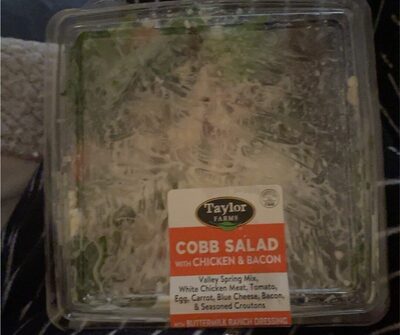
Foods that contain Buttermilk Ranch Dressing Canola Oil
Compare products →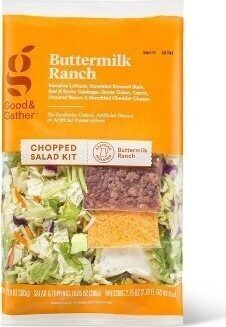
Learn more
Auto-generated content. This description was generated automatically and is pending editorial review. Inaccuracies are possible. Found a mistake? Contact us.