C8 Caprylic Acid Triglycerides
What is C8 Caprylic Acid Triglycerides?
C8 Caprylic Acid Triglycerides, also known as MCT oil, is a type of fat derived from coconut or palm kernel oil. It is made by processing these oils to isolate and concentrate the medium-chain fatty acids, primarily caprylic acid (C8). This process results in a clear, odorless liquid.
Is C8 Caprylic Acid Triglycerides vegan?
C8 Caprylic Acid Triglycerides is not animal-derived. Products that contain it can still include other animal-derived ingredients, so check the full ingredient list.
Is C8 Caprylic Acid Triglycerides a major allergen?
Not a major allergen.
What is C8 Caprylic Acid Triglycerides used for?
Manufacturers add MCT oil as a source of quick energy and to improve mouthfeel and texture.
Is C8 Caprylic Acid Triglycerides safe?
In the US, MCT oil is generally recognized as safe (GRAS) by the FDA for use in food.
Why it's used
Manufacturers add MCT oil as a source of quick energy and to improve mouthfeel and texture. It is often found in energy drinks, meal replacements, and dietary supplements. Its liquid form also makes it useful as a carrier for flavors and other ingredients.
Health notes
In the US, MCT oil is generally recognized as safe (GRAS) by the FDA for use in food. It is a source of medium-chain triglycerides (MCTs), which are metabolized differently than longer-chain fats, providing a rapid source of energy. JECFA and EFSA have evaluated MCTs, noting their use as a food ingredient. While generally well-tolerated, high intakes can sometimes cause digestive upset.
Allergen info
Not a major allergen. It is derived from coconut or palm kernel oil, which are not among the nine major allergens.
Foods that contain C8 Caprylic Acid Triglycerides
Compare products →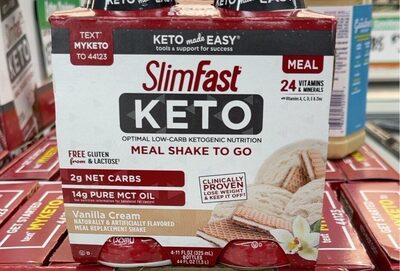 KSF Acquisition Corporation
Vanilla Cream Flavored Keto Meal Replacement Shake, Vanilla Cream
High in saturated fat — 70% DV per serving
55kcal
2.5Protein
4.3Fat
1.9Carbs
KSF Acquisition Corporation
Vanilla Cream Flavored Keto Meal Replacement Shake, Vanilla Cream
High in saturated fat — 70% DV per serving
55kcal
2.5Protein
4.3Fat
1.9Carbs
 KSF Acquisition Corporation
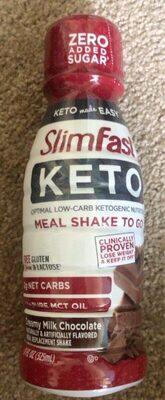
Creamy Milk Chocolate Meal Shake To Go, Creamy Milk Chocolate
High in saturated fat — 70% DV per serving
55kcal
2.5Protein
4.3Fat
2.1Carbs
KSF Acquisition Corporation
Creamy Mocha Latte Flavored Keto Meal Replacement Shake, Creamy Mocha Latte
High in saturated fat — 70% DV per serving
55kcal
2.5Protein
4.3Fat
2.5Carbs
KSF Acquisition Corporation
Creamy Milk Chocolate Meal Shake To Go, Creamy Milk Chocolate
High in saturated fat — 70% DV per serving
55kcal
2.5Protein
4.3Fat
2.1Carbs
KSF Acquisition Corporation
Creamy Mocha Latte Flavored Keto Meal Replacement Shake, Creamy Mocha Latte
High in saturated fat — 70% DV per serving
55kcal
2.5Protein
4.3Fat
2.5Carbs
Learn more
Auto-generated content. This description was generated automatically and is pending editorial review. Inaccuracies are possible. Found a mistake? Contact us.