Calcium Carbonate And Sucralose
What is Calcium Carbonate And Sucralose?
Calcium carbonate is a mineral that occurs naturally in rocks and shells. It is processed to be used as a food ingredient. Sucralose is an artificial sweetener made from sugar through a multi-step chemical process.
Is Calcium Carbonate And Sucralose vegan?
Calcium Carbonate And Sucralose is not animal-derived. Products that contain it can still include other animal-derived ingredients, so check the full ingredient list.
Is Calcium Carbonate And Sucralose a major allergen?
Not a major allergen.
What is Calcium Carbonate And Sucralose used for?
Calcium carbonate is often added to foods as a source of calcium, an anti-caking agent, or a color enhancer.
Is Calcium Carbonate And Sucralose safe?
Calcium carbonate is Generally Recognized As Safe (GRAS) by the FDA when used as a nutrient supplement or anti-caking agent.
Why it's used
Calcium carbonate is often added to foods as a source of calcium, an anti-caking agent, or a color enhancer. Sucralose is a zero-calorie artificial sweetener used to provide sweetness in a variety of products, especially those aiming for reduced sugar or calorie content.
Health notes
Calcium carbonate is Generally Recognized As Safe (GRAS) by the FDA when used as a nutrient supplement or anti-caking agent. Sucralose is also FDA-approved as a high-intensity sweetener. Both have been evaluated by international bodies like JECFA and EFSA. While generally considered safe at typical consumption levels, some research has explored potential effects on gut bacteria or metabolic responses, though evidence is mixed and often based on high doses not typical of human intake.
Allergen info
Not a major allergen.
Foods that contain Calcium Carbonate And Sucralose
Compare products →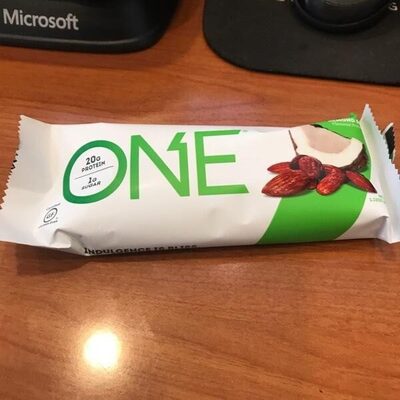 ONE Brands, LLC
Almond Bliss Flavored Protein Bars, Almond Bliss
High in saturated fat — 35% DV per serving
400kcal
33.3Protein
15Fat
36.7Carbs
ONE Brands, LLC
Almond Bliss Flavored Protein Bars, Almond Bliss
High in saturated fat — 35% DV per serving
400kcal
33.3Protein
15Fat
36.7Carbs
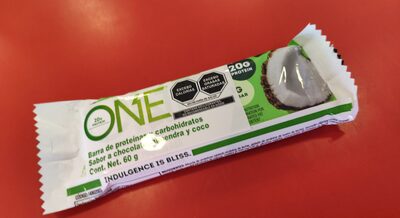 ONE Brands, LLC
Almond Bliss Flavored Protein Bar, Almond Bliss
High in saturated fat — 35% DV per serving
400kcal
33.3Protein
15Fat
36.7Carbs
ONE Brands, LLC
Almond Bliss Flavored Protein Bar, Almond Bliss
High in saturated fat — 35% DV per serving
400kcal
33.3Protein
15Fat
36.7Carbs
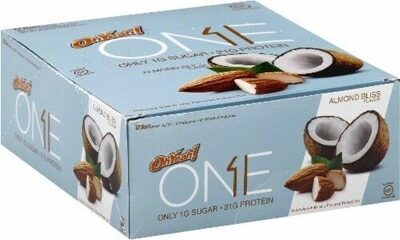 ONE Brands, LLC
Almond Bliss Flavored Protein Bars, Almond Bliss
High in saturated fat — 35% DV per serving
400kcal
33.3Protein
15Fat
36.7Carbs
ONE Brands, LLC
Almond Bliss Flavored Protein Bars, Almond Bliss
High in saturated fat — 35% DV per serving
400kcal
33.3Protein
15Fat
36.7Carbs
Learn more
Auto-generated content. This description was generated automatically and is pending editorial review. Inaccuracies are possible. Found a mistake? Contact us.