Calcium Malate
What is Calcium Malate?
Calcium malate is the calcium salt of malic acid. Malic acid is a naturally occurring organic acid found in fruits like apples and pears. Calcium malate is produced commercially by reacting malic acid with a calcium source.
Is Calcium Malate vegan?
Calcium Malate is not animal-derived. Products that contain it can still include other animal-derived ingredients, so check the full ingredient list.
Is Calcium Malate gluten-free?
It does not contain gluten.
Is Calcium Malate a major allergen?
Calcium malate is not derived from any of the 9 major FDA allergens.
What is Calcium Malate used for?
Calcium malate is used as an acidity regulator and a firming agent in foods.
Is Calcium Malate safe?
Calcium malate is generally recognized as safe (GRAS) by the FDA when used as a food ingredient.
Why it's used
Calcium malate is used as an acidity regulator and a firming agent in foods. It helps to control the pH of products and can improve the texture of fruits and vegetables. It is commonly found in fruit juices, nectars, and beverage mixes.
Health notes
Calcium malate is generally recognized as safe (GRAS) by the FDA when used as a food ingredient. It is a source of calcium, an essential nutrient. Both malic acid and calcium have been evaluated by international bodies like JECFA and EFSA, and are considered safe for consumption within typical dietary levels. No significant health controversies are associated with its use at these levels.
Allergen info
Calcium malate is not derived from any of the 9 major FDA allergens. It does not contain gluten.
Foods that contain Calcium Malate
Compare products →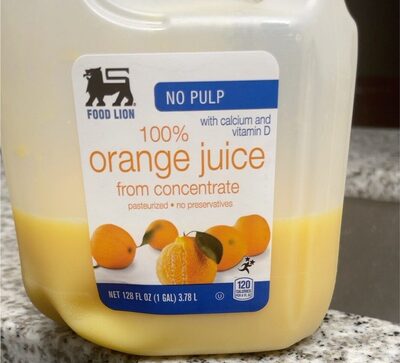
Auto-generated content. This description was generated automatically and is pending editorial review. Inaccuracies are possible. Found a mistake? Contact us.