Calcium Propionate As A Mold Inhibitor
What is Calcium Propionate As A Mold Inhibitor?
Calcium propionate is a salt of propionic acid. It is produced commercially by reacting propionic acid with calcium hydroxide or calcium carbonate. Propionic acid is a naturally occurring substance produced by fermentation of carbohydrates by certain bacteria.
Is Calcium Propionate As A Mold Inhibitor vegan?
Calcium Propionate As A Mold Inhibitor is not animal-derived. Products that contain it can still include other animal-derived ingredients, so check the full ingredient list.
Is Calcium Propionate As A Mold Inhibitor gluten-free?
It does not contain gluten.
Is Calcium Propionate As A Mold Inhibitor a major allergen?
Calcium propionate is not derived from any of the nine FDA major allergens.
What is Calcium Propionate As A Mold Inhibitor used for?
Manufacturers add calcium propionate to foods as a mold inhibitor, helping to extend shelf life.
Is Calcium Propionate As A Mold Inhibitor safe?
In the U.S., calcium propionate is Generally Recognized As Safe (GRAS) by the FDA for use as a food additive.
Why it's used
Manufacturers add calcium propionate to foods as a mold inhibitor, helping to extend shelf life. It is most commonly found in baked goods such as bread, tortillas, and muffins, where it prevents the growth of mold.
Health notes
In the U.S., calcium propionate is Generally Recognized As Safe (GRAS) by the FDA for use as a food additive. It is metabolized by the body similarly to other carbohydrates. The Joint FAO/WHO Expert Committee on Food Additives (JECFA) has evaluated calcium propionate and established an acceptable daily intake. EFSA has also evaluated its safety. Evidence does not suggest adverse health effects at typical consumption levels.
Allergen info
Calcium propionate is not derived from any of the nine FDA major allergens. It does not contain gluten.
Foods that contain Calcium Propionate As A Mold Inhibitor
Compare products →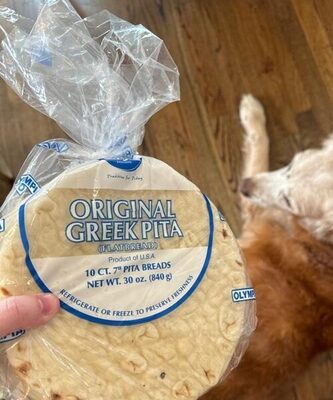
Learn more
Auto-generated content. This description was generated automatically and is pending editorial review. Inaccuracies are possible. Found a mistake? Contact us.