Candied Lemon Peel
Auto-generated content. This description was generated automatically and is pending editorial review. Inaccuracies are possible. Found a mistake? Contact us.
What it is
Candied lemon peel is made from the rind of lemons that has been preserved in sugar syrup. The process involves boiling the peel to soften it, then simmering it in a sugar solution until it becomes translucent and sweet. It is often dried or coated with additional sugar.
Why it's used
Manufacturers use candied lemon peel primarily as a flavoring and decorative ingredient. Its sweet, citrusy taste adds complexity to baked goods, desserts, and confectionery. It is also found in some savory applications like salad dressings and cheese products.
Health notes
Candied lemon peel is generally recognized as safe (GRAS) by the FDA when used as a food ingredient. It is a source of sugar, and like all added sugars, excessive intake can contribute to health concerns. International bodies like JECFA have evaluated lemon peel extracts and related compounds. No specific health concerns are associated with typical consumption levels of candied lemon peel.
Allergen info
Candied lemon peel is not derived from any of the nine major allergens recognized by the FDA. It does not contain gluten.
Products containing Candied Lemon Peel
Compare products →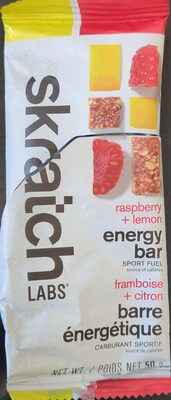 Skratch Labs Inc.
Raspberries & Lemons Energy Bar, Raspberries & Lemons
440kcal
8Protein
18Fat
66Carbs
Skratch Labs Inc.
Raspberries & Lemons Energy Bar, Raspberries & Lemons
440kcal
8Protein
18Fat
66Carbs
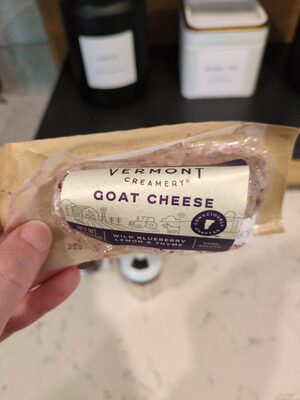 Vermont Creamery Inc.
Wild Blueberry Lemon & Thyme Goat Cheese, Wild Blueberry Lemon & Thyme
286kcal
10.7Protein
17.9Fat
21.4Carbs
Vermont Creamery Inc.
Wild Blueberry Lemon & Thyme Goat Cheese, Wild Blueberry Lemon & Thyme
286kcal
10.7Protein
17.9Fat
21.4Carbs