Cane Sugar1
What is Cane Sugar1?
Cane sugar is a type of sugar derived from sugarcane plants. It is produced by crushing the sugarcane to extract its juice, which is then boiled, clarified, and crystallized to form sugar granules.
Is Cane Sugar1 vegan?
Cane Sugar1 is not animal-derived. Products that contain it can still include other animal-derived ingredients, so check the full ingredient list.
Is Cane Sugar1 gluten-free?
It is also gluten-free.
Is Cane Sugar1 a major allergen?
Cane sugar is not derived from any of the nine major food allergens identified by the FDA.
What is Cane Sugar1 used for?
Manufacturers add cane sugar primarily as a sweetener to enhance the taste of foods and beverages.
Is Cane Sugar1 safe?
In the United States, cane sugar is considered Generally Recognized As Safe (GRAS) by the FDA.
Why it's used
Manufacturers add cane sugar primarily as a sweetener to enhance the taste of foods and beverages. It also contributes to texture, browning, and acts as a preservative in many products, including baked goods, soft drinks, candies, and processed foods.
Health notes
In the United States, cane sugar is considered Generally Recognized As Safe (GRAS) by the FDA. As a source of added sugars, the 2025-2030 Dietary Guidelines for Americans recommend no specific amount of added sugars, but suggest consuming no more than 10 grams per meal. The World Health Organization (WHO) advises limiting free sugars to less than 10% of total energy intake. JECFA has evaluated sugars, including sucrose, and determined that an acceptable daily intake (ADI) does not need to be specified.
Allergen info
Cane sugar is not derived from any of the nine major food allergens identified by the FDA. It is also gluten-free.
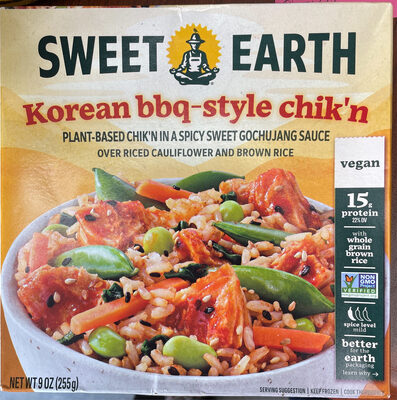
Foods that contain Cane Sugar1
Compare products →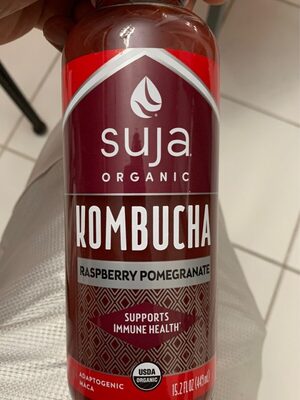
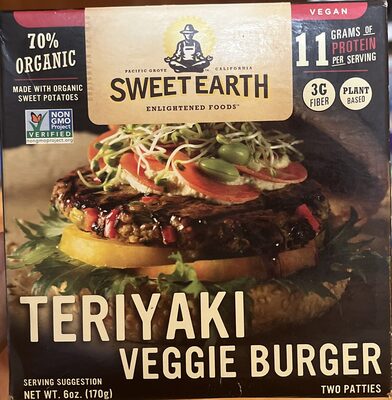
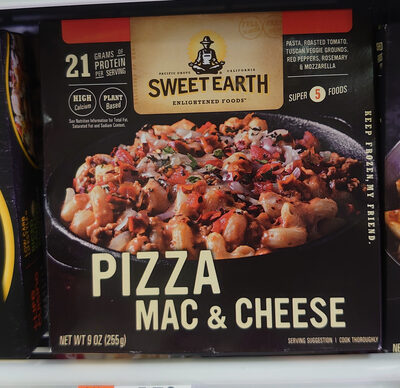
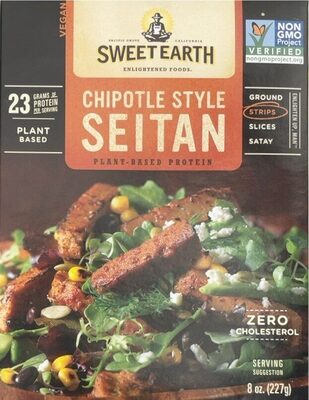
Learn more
Auto-generated content. This description was generated automatically and is pending editorial review. Inaccuracies are possible. Found a mistake? Contact us.