Canola Oil With Dimethylpolysiloxane
What is Canola Oil With Dimethylpolysiloxane?
Canola oil is a vegetable oil derived from rapeseed. Dimethylpolysiloxane is a silicone-based polymer that is often added to oils to prevent foaming. It is used in food processing to reduce the tendency of oils to foam up during high-heat cooking or frying.
Is Canola Oil With Dimethylpolysiloxane vegan?
Canola Oil With Dimethylpolysiloxane is not animal-derived. Products that contain it can still include other animal-derived ingredients, so check the full ingredient list.
Is Canola Oil With Dimethylpolysiloxane a major allergen?
Not a major allergen.
What is Canola Oil With Dimethylpolysiloxane used for?
Dimethylpolysiloxane is added to oils, like canola oil, to act as an anti-foaming agent.
Is Canola Oil With Dimethylpolysiloxane safe?
Dimethylpolysiloxane is generally recognized as safe (GRAS) by the FDA for use as an anti-foaming agent in food.
Why it's used
Dimethylpolysiloxane is added to oils, like canola oil, to act as an anti-foaming agent. This helps prevent excessive bubbling and splattering during cooking and processing. It is commonly found in fried foods, baked goods, and some processed dairy products.
Health notes
Dimethylpolysiloxane is generally recognized as safe (GRAS) by the FDA for use as an anti-foaming agent in food. It is poorly absorbed by the body and is typically excreted unchanged. The Joint FAO/WHO Expert Committee on Food Additives (JECFA) has also evaluated it and found no safety concerns.
Allergen info
Not a major allergen.
Foods that contain Canola Oil With Dimethylpolysiloxane
Compare products →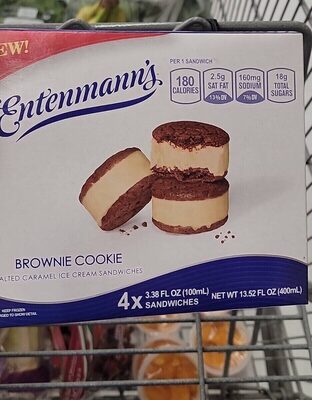 Buffalogills Inc
Brownie Cookie Salted Caramel Ice Cream Sandwiches, Brownie Cookie
High in added sugars — 30% DV per serving
333kcal
3.7Protein
14.8Fat
46.3Carbs
Wal-Mart Stores, Inc.
Vanilla Ice Cream Filled Cupcakes, Vanilla Ice Cream
High in added sugars — 22% DV per serving
250kcal
3.3Protein
11.7Fat
33.3Carbs
Wal-Mart Stores, Inc.
Chocolate Ice Cream Filled Cupcakes, Chocolate Ice Cream
250kcal
5Protein
13.3Fat
28.3Carbs
Wal-Mart Stores, Inc.
Strawberry Ice Cream Filled Cupcakes, Strawberry
High in added sugars — 22% DV per serving
250kcal
3.3Protein
13.3Fat
31.7Carbs
Buffalogills Inc
Brownie Cookie Salted Caramel Ice Cream Sandwiches, Brownie Cookie
High in added sugars — 30% DV per serving
333kcal
3.7Protein
14.8Fat
46.3Carbs
Wal-Mart Stores, Inc.
Vanilla Ice Cream Filled Cupcakes, Vanilla Ice Cream
High in added sugars — 22% DV per serving
250kcal
3.3Protein
11.7Fat
33.3Carbs
Wal-Mart Stores, Inc.
Chocolate Ice Cream Filled Cupcakes, Chocolate Ice Cream
250kcal
5Protein
13.3Fat
28.3Carbs
Wal-Mart Stores, Inc.
Strawberry Ice Cream Filled Cupcakes, Strawberry
High in added sugars — 22% DV per serving
250kcal
3.3Protein
13.3Fat
31.7Carbs
Learn more
Auto-generated content. This description was generated automatically and is pending editorial review. Inaccuracies are possible. Found a mistake? Contact us.