Canola Sunflower With TBHQ For Freshness
What is Canola Sunflower With TBHQ For Freshness?
This ingredient is a blend of canola oil and sunflower oil, which are vegetable oils extracted from rapeseed and sunflower seeds, respectively. It also contains TBHQ (tertiary butylhydroquinone), a synthetic antioxidant.
Is Canola Sunflower With TBHQ For Freshness vegan?
Canola Sunflower With TBHQ For Freshness is not animal-derived. Products that contain it can still include other animal-derived ingredients, so check the full ingredient list.
Is Canola Sunflower With TBHQ For Freshness a major allergen?
Neither canola oil, sunflower oil, nor TBHQ are derived from any of the 9 major FDA allergens.
What is Canola Sunflower With TBHQ For Freshness used for?
Manufacturers add this blend primarily as a source of fat for cooking and to improve the texture of foods.
Is Canola Sunflower With TBHQ For Freshness safe?
Canola oil and sunflower oil are generally recognized as safe (GRAS) by the FDA.
Why it's used
Manufacturers add this blend primarily as a source of fat for cooking and to improve the texture of foods. The added TBHQ acts as a preservative, helping to prevent the oils from spoiling and becoming rancid, thus extending the shelf life of products like biscuits and cookies.
Health notes
Canola oil and sunflower oil are generally recognized as safe (GRAS) by the FDA. TBHQ is an FDA-approved food additive. The Joint FAO/WHO Expert Committee on Food Additives (JECFA) has evaluated TBHQ and set an acceptable daily intake. While some studies have raised questions about high doses, major regulatory bodies, including the FDA and JECFA, consider it safe for consumption at approved levels.
Allergen info
Neither canola oil, sunflower oil, nor TBHQ are derived from any of the 9 major FDA allergens.
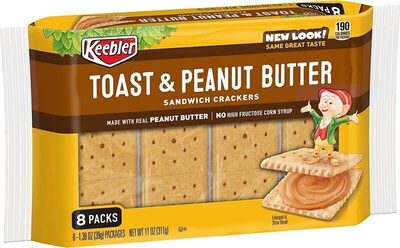
Foods that contain Canola Sunflower With TBHQ For Freshness
Compare products →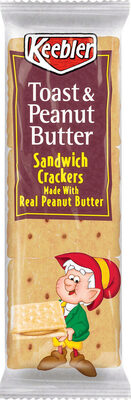
Learn more
Auto-generated content. This description was generated automatically and is pending editorial review. Inaccuracies are possible. Found a mistake? Contact us.