Cantaloupe Melon
Auto-generated content. This description was generated automatically and is pending editorial review. Inaccuracies are possible. Found a mistake? Contact us.
What it is
Cantaloupe melon is a variety of muskmelon, a type of fruit that grows on a vine. It is known for its sweet, juicy flesh and distinct musky aroma. Cantaloupes are typically grown in warm climates and are harvested when ripe.
Why it's used
Cantaloupe is most often consumed fresh as a fruit. In packaged foods, it appears in fruit salads, fruit cups, and sometimes as a flavoring or ingredient in smoothies and juices. Its natural sweetness and refreshing taste make it a popular choice.
Health notes
Cantaloupe is a natural fruit and is generally recognized as safe (GRAS) by the FDA when consumed as food. It is a good source of vitamins A and C, and potassium. International bodies like JECFA have evaluated melons and their components, generally finding them safe for consumption. No specific regulatory concerns are associated with cantaloupe consumption at typical dietary levels.
Allergen info
Cantaloupe is not one of the nine major food allergens identified by the FDA. It does not contain gluten.
Products containing Cantaloupe Melon
Compare products →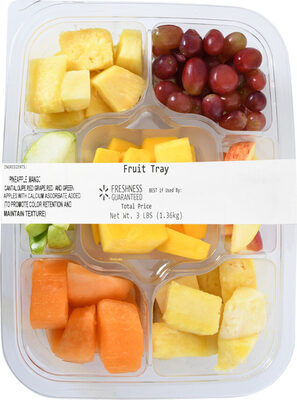 Wal-Mart Stores, Inc.
Fruit Tray, Fruit
57kcal
0.7Protein
0Fat
13.6Carbs
Wal-Mart Stores, Inc.
Fruit Tray, Fruit
57kcal
0.7Protein
0Fat
13.6Carbs
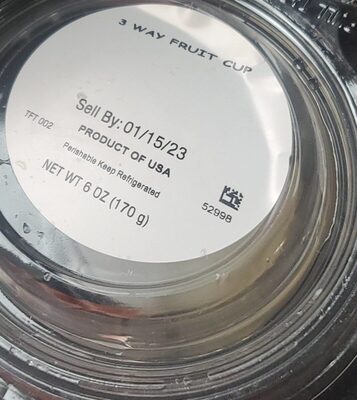 Taylor Fresh Foods, Inc.
3 Way Fruit Cup Cantaloupe Melon, Honeydew Melon, Grapes, 3 Way Fruit
47kcal
0.6Protein
0Fat
11.2Carbs
Taylor Fresh Foods, Inc.
Cantaloupe Chunks
—kcal
0.7Protein
0Fat
7.9Carbs
Taylor Fresh Foods, Inc.
3 Way Fruit Cup Cantaloupe Melon, Honeydew Melon, Grapes, 3 Way Fruit
47kcal
0.6Protein
0Fat
11.2Carbs
Taylor Fresh Foods, Inc.
Cantaloupe Chunks
—kcal
0.7Protein
0Fat
7.9Carbs