Capers
What is Capers?
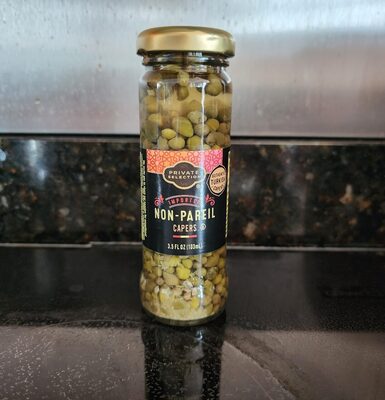
Capers are the unripened flower buds of the caper bush, a perennial woody vine native to the Mediterranean region. They are typically preserved in salt or brine, which gives them a distinct tangy, briny flavor. After harvesting, they are often dried, cured, or pickled.
Is Capers vegan?
Capers is not animal-derived. Products that contain it can still include other animal-derived ingredients, so check the full ingredient list.
Is Capers gluten-free?
They are naturally gluten-free.
Is Capers a major allergen?
Capers are not derived from any of the nine FDA major allergens.
What is Capers used for?
Capers are used as a condiment or flavoring ingredient, adding a sharp, piquant taste to dishes.
Is Capers safe?
Capers are generally recognized as safe (GRAS) by the FDA when used as a food ingredient.
Why it's used
Capers are used as a condiment or flavoring ingredient, adding a sharp, piquant taste to dishes. They are commonly found in Mediterranean cuisine, particularly in pasta sauces, seafood dishes, salads, and as a topping for pizzas and appetizers. Manufacturers use them to enhance the overall flavor profile of savory foods.
Health notes
Capers are generally recognized as safe (GRAS) by the FDA when used as a food ingredient. They are a good source of vitamin K and contain antioxidants. JECFA has evaluated capers and determined they are safe for consumption. No specific health concerns are associated with typical dietary intake.
Allergen info
Capers are not derived from any of the nine FDA major allergens. They are naturally gluten-free.
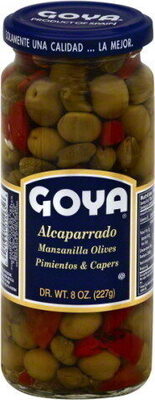
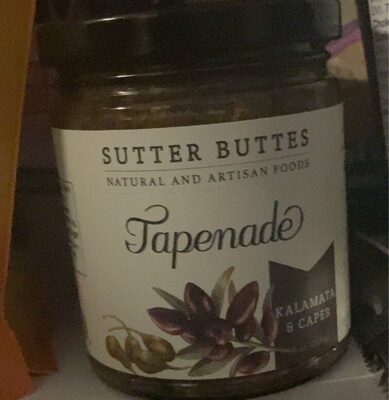
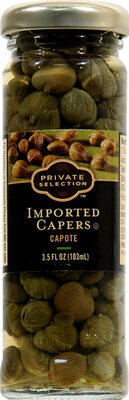
Foods that contain Capers
Compare products →
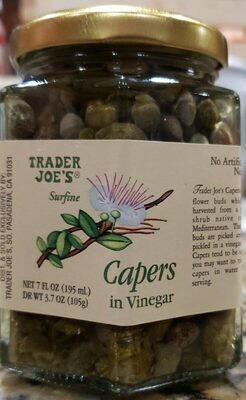
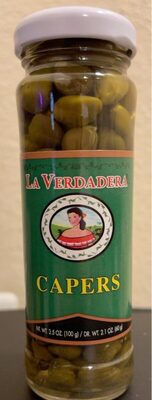
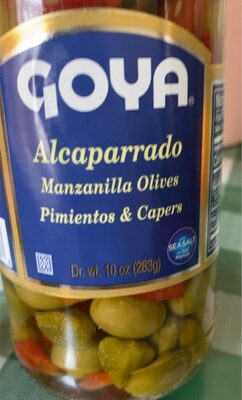
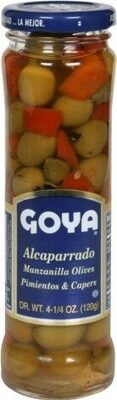
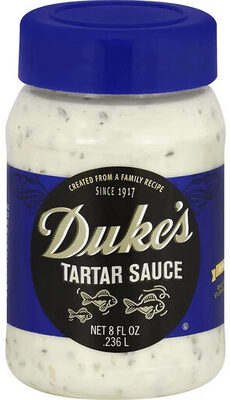
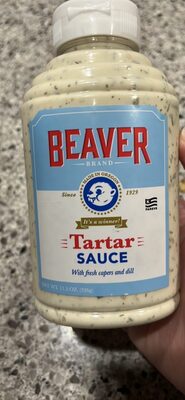
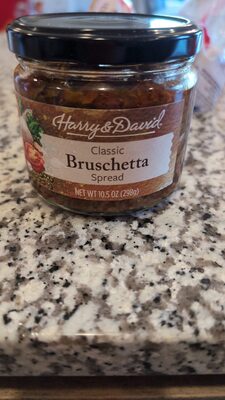
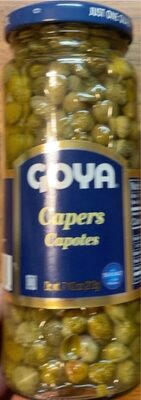
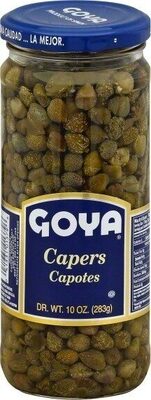
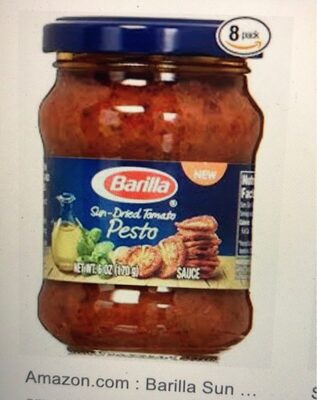


Learn more
Auto-generated content. This description was generated automatically and is pending editorial review. Inaccuracies are possible. Found a mistake? Contact us.