Caramel Bits
What is Caramel Bits?
Caramel bits are small, chewy pieces of caramel candy. They are made by heating sugars, often with milk and butter, until they caramelize and develop a rich brown color and distinctive flavor. The mixture is then cooled and cut into small, bite-sized pieces.
Is Caramel Bits vegan?
No. Caramel Bits is animal-derived, so it is not vegan.
Is Caramel Bits a major allergen?
Caramel bits commonly contain milk, which is one of the nine major food allergens identified by the FDA.
What is Caramel Bits used for?
Manufacturers add caramel bits to foods primarily for their sweet, buttery flavor and chewy texture.
Is Caramel Bits safe?
Caramel bits are a food ingredient composed mainly of sugars and fats.
Why it's used
Manufacturers add caramel bits to foods primarily for their sweet, buttery flavor and chewy texture. They are frequently used in baked goods like cookies, cakes, and muffins, and as a topping for desserts, ice cream, and snack mixes.
Health notes
Caramel bits are a food ingredient composed mainly of sugars and fats. The ingredients typically used to make caramel are generally recognized as safe by the FDA. As a source of added sugars, consumption should align with the Dietary Guidelines for Americans (2025-2030), which recommend no amount of added sugars and at most 10 grams per meal. JECFA and EFSA evaluate individual food additives, but "caramel bits" as a finished product are not typically evaluated as a single additive.
Allergen info
Caramel bits commonly contain milk, which is one of the nine major food allergens identified by the FDA. Some formulations may also contain soy.
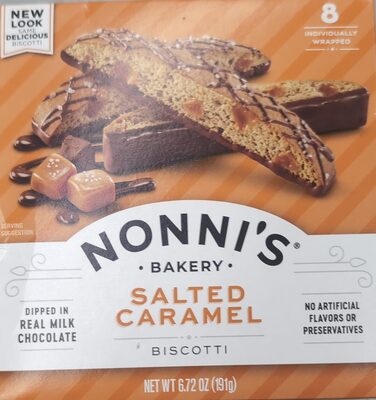
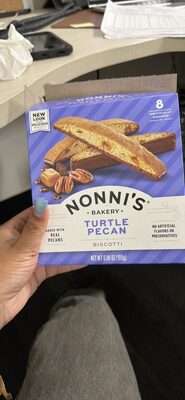
Foods that contain Caramel Bits
Compare products →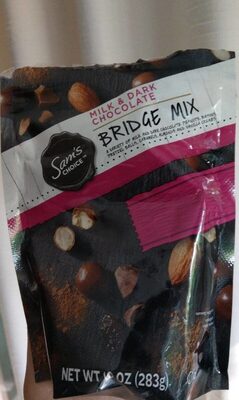



Auto-generated content. This description was generated automatically and is pending editorial review. Inaccuracies are possible. Found a mistake? Contact us.