Caramel Centers
What is Caramel Centers?
Caramel centers are soft, chewy fillings made primarily from sugar, butter, and cream. The ingredients are heated together until they thicken and form a smooth, golden-brown mixture. This mixture is then cooled and cut into pieces or used as a filling.
Is Caramel Centers vegan?
No. Caramel Centers is animal-derived, so it is not vegan.
Is Caramel Centers gluten-free?
They do not contain gluten.
Is Caramel Centers a major allergen?
Caramel centers are typically made from dairy (butter, cream) and are therefore derived from milk, a major allergen.
What is Caramel Centers used for?
Caramel centers are used as a sweet, rich filling or coating in confectionery products.
Is Caramel Centers safe?
Caramel coloring, often used to give caramel its brown hue, is generally recognized as safe (GRAS) by the FDA when used as directed.
Why it's used
Caramel centers are used as a sweet, rich filling or coating in confectionery products. They provide a distinct flavor and chewy texture. They are most commonly found in candies, chocolates, and baked goods.
Health notes
Caramel coloring, often used to give caramel its brown hue, is generally recognized as safe (GRAS) by the FDA when used as directed. Some caramel colorings contain compounds like 4-MEI, which have raised concerns, but regulatory bodies like the FDA and EFSA have evaluated these compounds and determined them to be safe at typical consumption levels. JECFA has also evaluated caramel colorings and established acceptable daily intakes.
Allergen info
Caramel centers are typically made from dairy (butter, cream) and are therefore derived from milk, a major allergen. They do not contain gluten.
Foods that contain Caramel Centers
Compare products →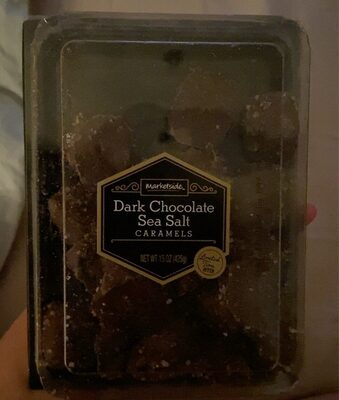
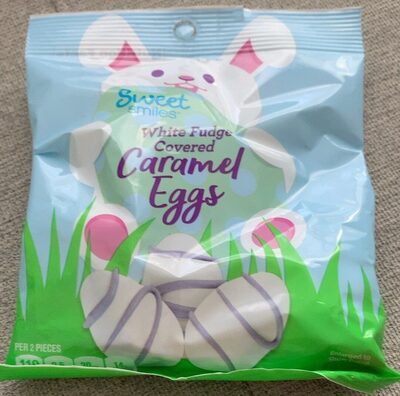
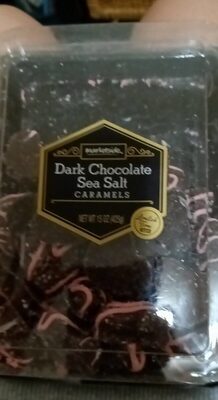
Auto-generated content. This description was generated automatically and is pending editorial review. Inaccuracies are possible. Found a mistake? Contact us.