Caramel Cups
What is Caramel Cups?
Caramel cups are small pieces of candy made from a mixture of sugar, butter, and cream. The sugar is heated until it caramelizes, then butter and cream are added to create a smooth, rich candy. These cups are often filled with chocolate or other flavorings.
Is Caramel Cups vegan?
No. Caramel Cups is animal-derived, so it is not vegan.
Is Caramel Cups gluten-free?
Gluten is not typically present unless added.
Is Caramel Cups a major allergen?
Caramel cups may contain milk and soy, depending on the specific ingredients used in their production.
What is Caramel Cups used for?
Manufacturers add caramel cups to foods for their sweet, buttery flavor and chewy texture.
Is Caramel Cups safe?
Caramel cups are generally recognized as safe (GRAS) by the FDA when used as intended.
Why it's used
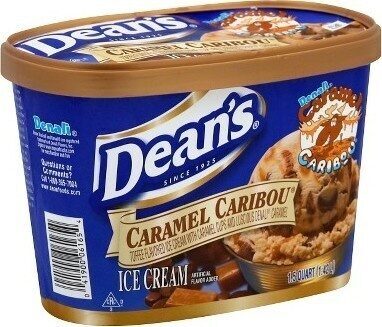
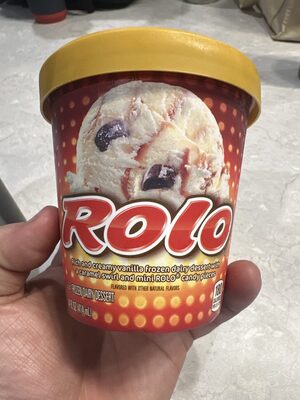
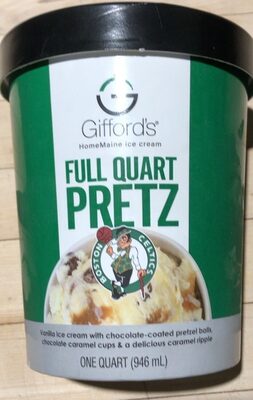
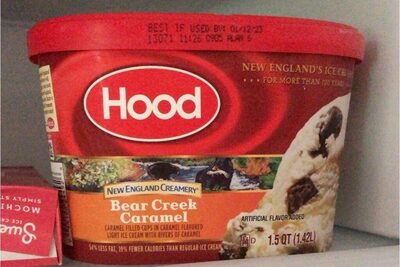
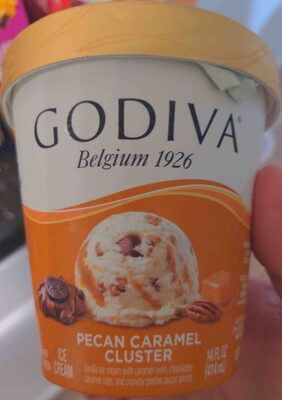
Manufacturers add caramel cups to foods for their sweet, buttery flavor and chewy texture. They are most commonly found in ice cream, frozen yogurt, and baked goods like cookies and brownies. They can also be used as a topping or filling in various desserts.
Health notes
Caramel cups are generally recognized as safe (GRAS) by the FDA when used as intended. They are primarily a source of sugar and fat. Regulatory bodies like JECFA and EFSA have evaluated similar sugar-based confectionery ingredients. Evidence does not suggest adverse health effects from consuming caramel cups in moderation as part of a balanced diet.
Allergen info
Caramel cups may contain milk and soy, depending on the specific ingredients used in their production. They are not derived from wheat, eggs, fish, shellfish, tree nuts, peanuts, or sesame. Gluten is not typically present unless added.
Foods that contain Caramel Cups
Compare products →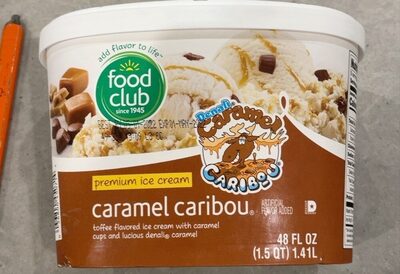

Auto-generated content. This description was generated automatically and is pending editorial review. Inaccuracies are possible. Found a mistake? Contact us.