Caramel Dip
What is Caramel Dip?
Caramel dip is a sweet sauce made from heated sugar, often with butter and cream. The heating process, called caramelization, gives it a characteristic brown color and rich flavor. It can also include other ingredients like milk, corn syrup, and flavorings.
Is Caramel Dip vegan?
No. Caramel Dip is animal-derived, so it is not vegan.
Is Caramel Dip gluten-free?
Gluten is not typically present unless added.
Is Caramel Dip a major allergen?
Caramel dip may contain milk and butter, which are major allergens.
What is Caramel Dip used for?
Manufacturers use caramel dip as a flavoring and sweetener in a wide variety of foods.
Is Caramel Dip safe?
Caramel coloring, a common ingredient in caramel dip, is generally recognized as safe (GRAS) by the FDA for use in food.
Why it's used
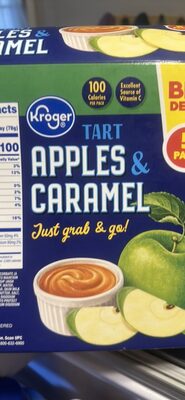
Manufacturers use caramel dip as a flavoring and sweetener in a wide variety of foods. It is commonly found in desserts like cakes, cupcakes, and ice cream, as well as in snack items like fruit trays and pretzels.
Health notes
Caramel coloring, a common ingredient in caramel dip, is generally recognized as safe (GRAS) by the FDA for use in food. Regulatory bodies like JECFA and EFSA have evaluated caramel colorings. While generally considered safe at typical consumption levels, excessive intake of added sugars found in caramel dips can contribute to health concerns.
Allergen info
Caramel dip may contain milk and butter, which are major allergens. It is not derived from egg, fish, shellfish, tree nuts, peanuts, wheat, soy, or sesame. Gluten is not typically present unless added.
Foods that contain Caramel Dip
Compare products →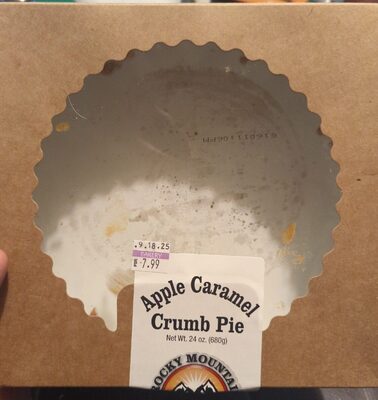
Learn more
Auto-generated content. This description was generated automatically and is pending editorial review. Inaccuracies are possible. Found a mistake? Contact us.