Caramel Fudge
What is Caramel Fudge?
Caramel fudge is a confection made from sugar, butter, and milk or cream, cooked until it reaches a soft, fudgy consistency. It often contains added flavorings like vanilla or chocolate, and sometimes nuts. The cooking process involves careful temperature control to achieve the desired texture.
Is Caramel Fudge vegan?
No. Caramel Fudge is animal-derived, so it is not vegan.
Is Caramel Fudge a major allergen?
Caramel fudge is not a major allergen.
What is Caramel Fudge used for?
Caramel fudge is primarily used as a sweet confection and flavoring ingredient.
Is Caramel Fudge safe?
Caramel fudge is generally recognized as safe (GRAS) by the FDA as a food ingredient.
Why it's used
Caramel fudge is primarily used as a sweet confection and flavoring ingredient. It is commonly found in ice cream, cakes, cupcakes, and other baked goods, where it adds a rich, sweet, and slightly chewy texture. Manufacturers use it to enhance the flavor and mouthfeel of desserts.
Health notes
Caramel fudge is generally recognized as safe (GRAS) by the FDA as a food ingredient. It is a source of sugar and calories. International bodies like JECFA have evaluated similar sugar-based confections. While high sugar intake is linked to health concerns, caramel fudge at typical consumption levels in foods is not specifically regulated beyond general food safety standards.
Allergen info
Caramel fudge is not a major allergen. However, it is often made with dairy (milk or cream), which is one of the 9 FDA major allergens. Check product labels for specific ingredients if you have a dairy allergy.
Foods that contain Caramel Fudge
Compare products →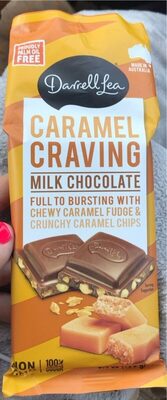
Auto-generated content. This description was generated automatically and is pending editorial review. Inaccuracies are possible. Found a mistake? Contact us.