Caramel Pieces
What is Caramel Pieces?
Caramel pieces are small, solid chunks of caramel. Caramel is made by heating sugars, often with milk, butter, or cream, until they turn a golden-brown color and develop a distinct flavor. These pieces are then cooled and broken or cut into various sizes.
Is Caramel Pieces vegan?
No. Caramel Pieces is animal-derived, so it is not vegan.
Is Caramel Pieces a major allergen?
Caramel pieces often contain milk or milk products, which are a major food allergen.
What is Caramel Pieces used for?
Manufacturers add caramel pieces to foods primarily for their sweet, buttery flavor and chewy or crunchy texture.
Is Caramel Pieces safe?
Caramel pieces are generally considered safe for consumption as a food ingredient.
Why it's used
Manufacturers add caramel pieces to foods primarily for their sweet, buttery flavor and chewy or crunchy texture. They are commonly used in chocolate bars, candies, ice cream, and breakfast cereals to enhance taste and provide an interesting mouthfeel.
Health notes
Caramel pieces are generally considered safe for consumption as a food ingredient. Their primary health implication relates to their sugar content; the 2025-2030 Dietary Guidelines for Americans recommend no amount of added sugars. The FDA considers caramel (as a color or flavor) to be generally recognized as safe (GRAS) when used appropriately. JECFA and EFSA have evaluated caramel colors, but 'caramel pieces' as a composite food ingredient are not typically assessed as a single additive.
Allergen info
Caramel pieces often contain milk or milk products, which are a major food allergen.
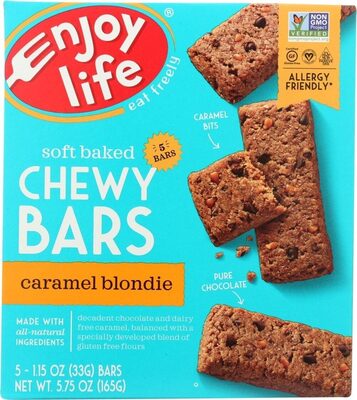
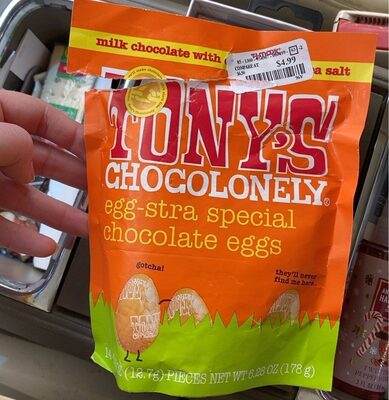
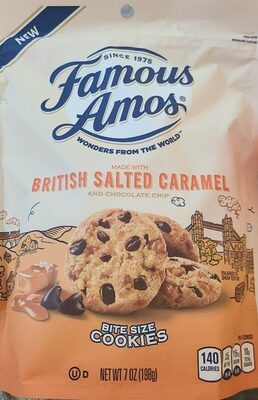
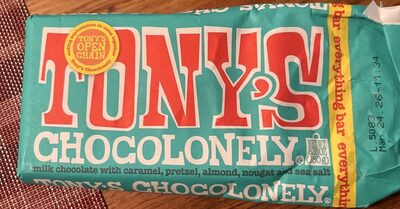
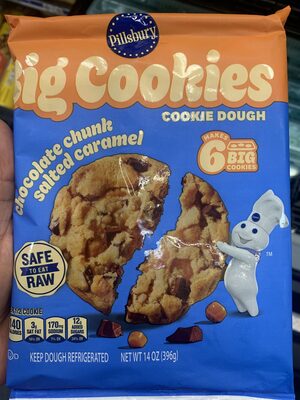
Foods that contain Caramel Pieces
Compare products →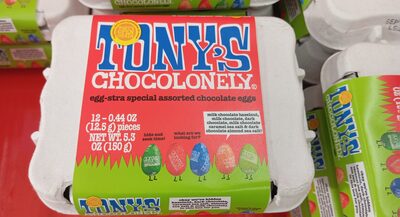
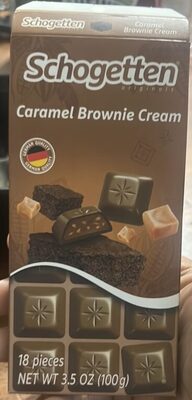
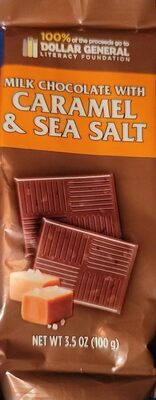


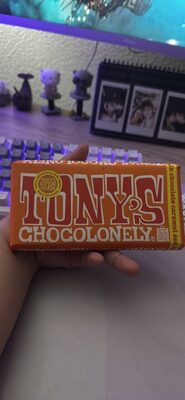
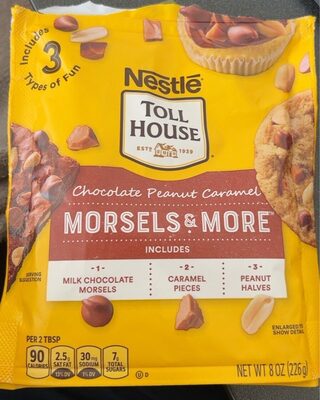
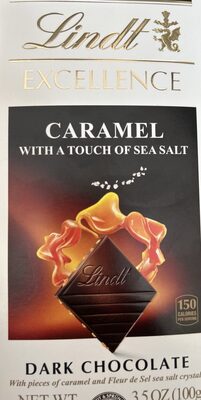
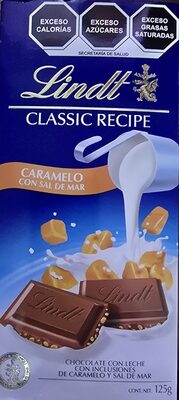
Auto-generated content. This description was generated automatically and is pending editorial review. Inaccuracies are possible. Found a mistake? Contact us.