Caramelized Onion
What is Caramelized Onion?
Caramelized onions are made by slowly cooking onions at low heat for an extended period. This process breaks down the natural sugars in the onions, creating a deep brown color and a sweet, rich flavor.
Is Caramelized Onion vegan?
Caramelized Onion is not animal-derived. Products that contain it can still include other animal-derived ingredients, so check the full ingredient list.
Is Caramelized Onion gluten-free?
Gluten is not naturally present in onions.
Is Caramelized Onion a major allergen?
Onions are not one of the nine major allergens designated by the FDA.
What is Caramelized Onion used for?
Manufacturers use caramelized onions to add a sweet, savory, and complex flavor to foods.
Is Caramelized Onion safe?
Caramelized onions are generally recognized as safe (GRAS) by the FDA when used as a food ingredient.
Why it's used
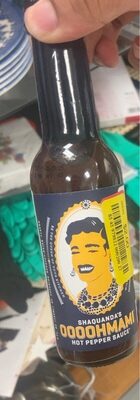
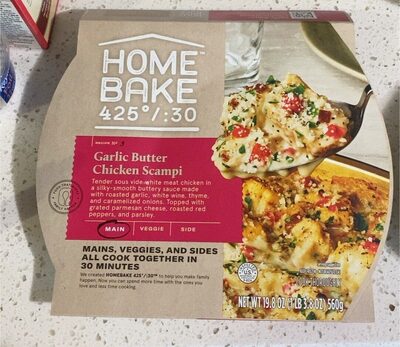
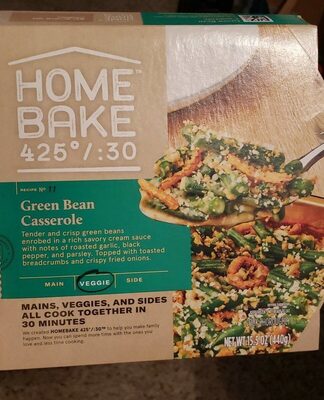
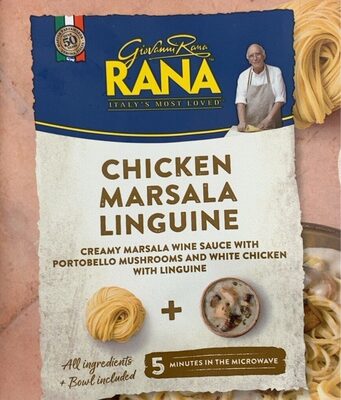
Manufacturers use caramelized onions to add a sweet, savory, and complex flavor to foods. They are often found in savory dishes like frozen dinners, pizzas, burgers, and sausages, as well as in dips and sauces.
Health notes
Caramelized onions are generally recognized as safe (GRAS) by the FDA when used as a food ingredient. They are a source of antioxidants and other beneficial compounds found in onions. International bodies like JECFA have evaluated similar onion preparations, but no specific ADI has been set for caramelized onions.
Allergen info
Onions are not one of the nine major allergens designated by the FDA. Gluten is not naturally present in onions.
Foods that contain Caramelized Onion
Compare products →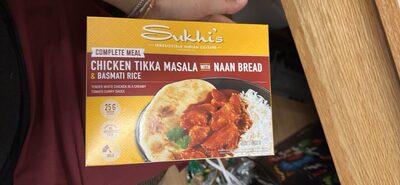

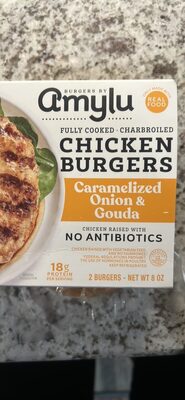
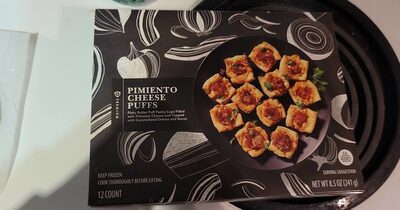
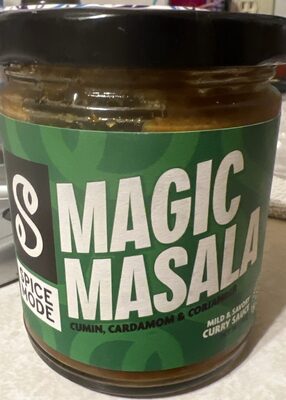

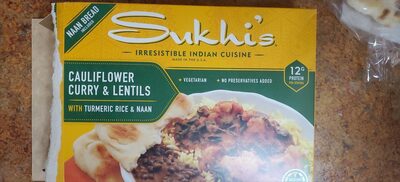
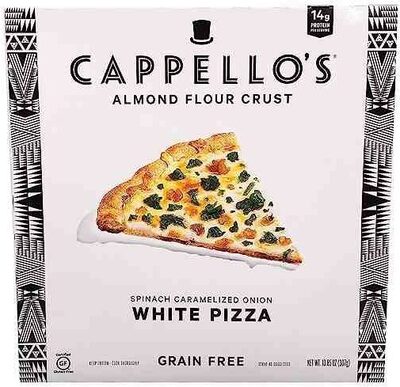

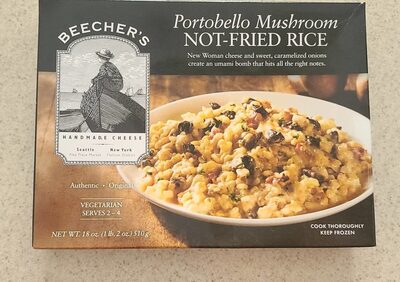
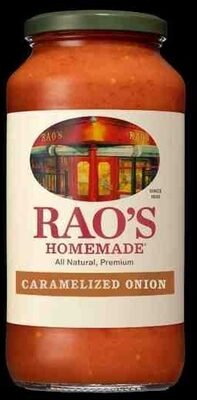
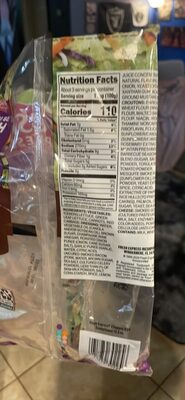
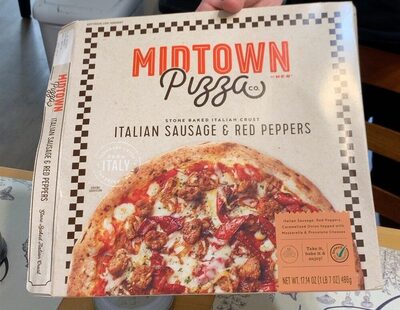

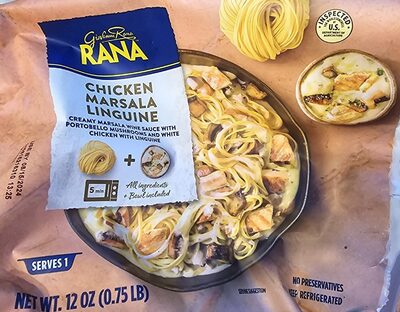
Learn more
Auto-generated content. This description was generated automatically and is pending editorial review. Inaccuracies are possible. Found a mistake? Contact us.