Carbon Monoxide Added Retention
What is Carbon Monoxide Added Retention?
Carbon monoxide is a gas that can be added to the packaging of fresh fish. It is used to help maintain the red color of the fish, making it appear fresher to consumers. This is done by binding to the fish's myoglobin, the protein responsible for its color.
Is Carbon Monoxide Added Retention a major allergen?
Not a major allergen.
What is Carbon Monoxide Added Retention used for?
Manufacturers add carbon monoxide to the packaging of fresh fish to preserve its bright red color during transport and display.
Is Carbon Monoxide Added Retention safe?
Carbon monoxide is not an approved food additive in the United States.
Why it's used
Manufacturers add carbon monoxide to the packaging of fresh fish to preserve its bright red color during transport and display. This makes the fish look more appealing and fresh to consumers. It is most commonly found in packaged fish like tuna and salmon.
Health notes
Carbon monoxide is not an approved food additive in the United States. Its use in food packaging is largely unregulated, though its potential health effects are a concern. While the amounts used in packaging are generally considered low, there are no established safe intake levels or regulatory limits for its use in food. The FDA has not evaluated carbon monoxide as a food additive, and there is limited scientific research on its long-term health impacts when consumed through packaged foods.
Allergen info
Not a major allergen.
Foods that contain Carbon Monoxide Added Retention
Compare products →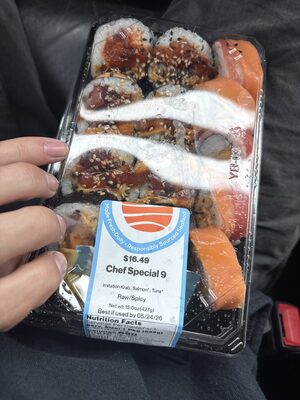
Auto-generated content. This description was generated automatically and is pending editorial review. Inaccuracies are possible. Found a mistake? Contact us.